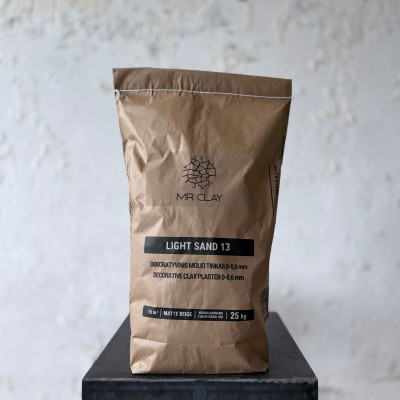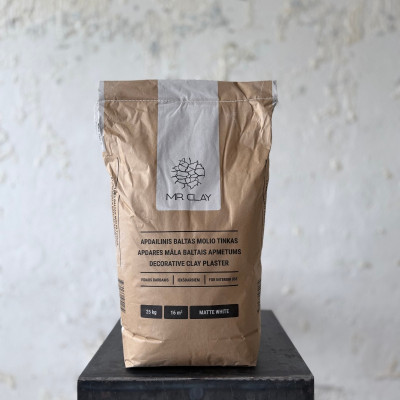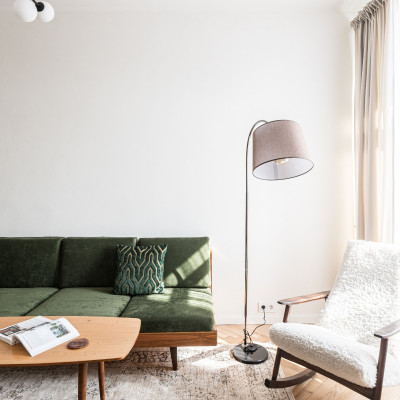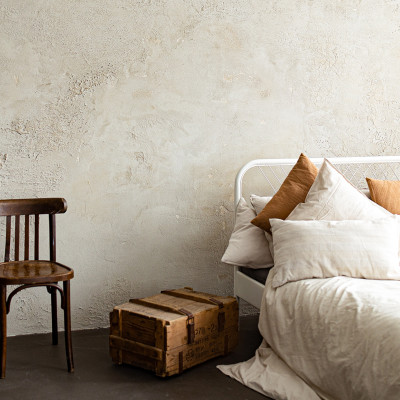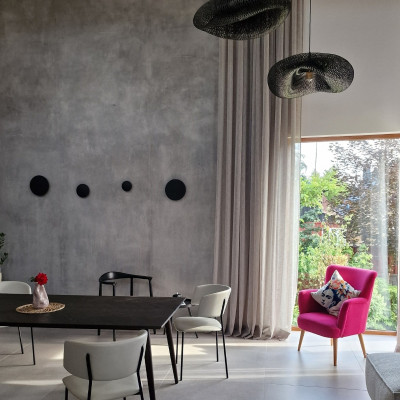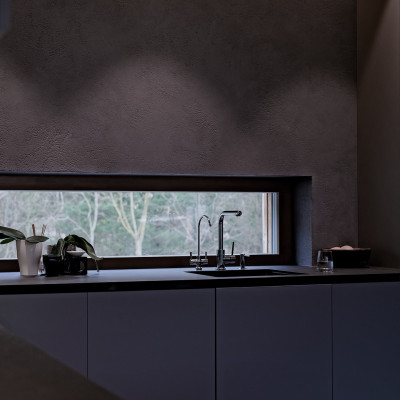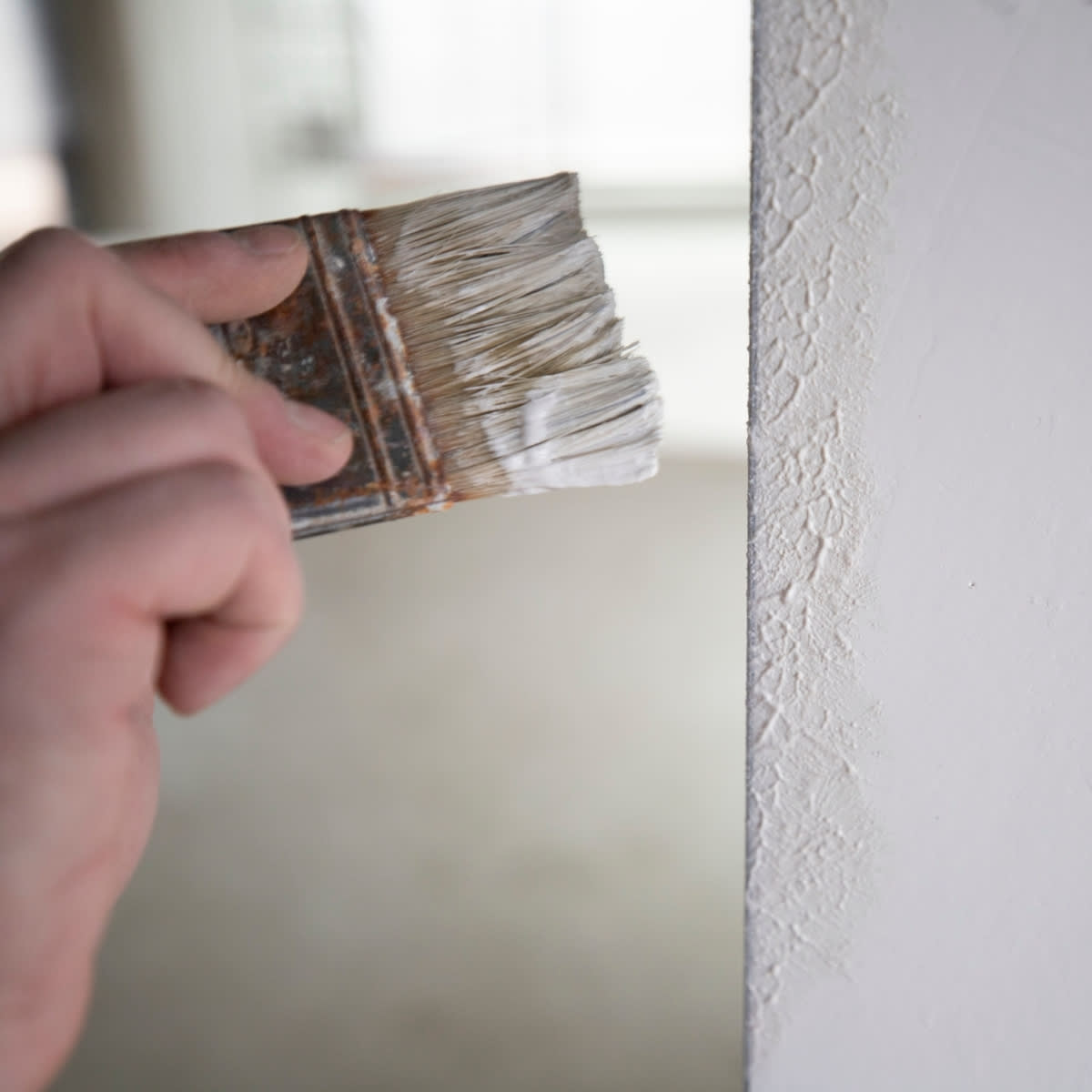
Clay mixtures can be applied to a wide variety of surfaces – whether it’s standard walls, furniture panels, or even a glass vase. The key is proper preparation, so please read our recommendations carefully.
Preparation of the classic leveling clay plaster:
If the walls have been leveled with classic brown clay plaster, the decorative clay plaster can be applied directly without additional priming.
Preparation of gypsum/lime/cement plaster:
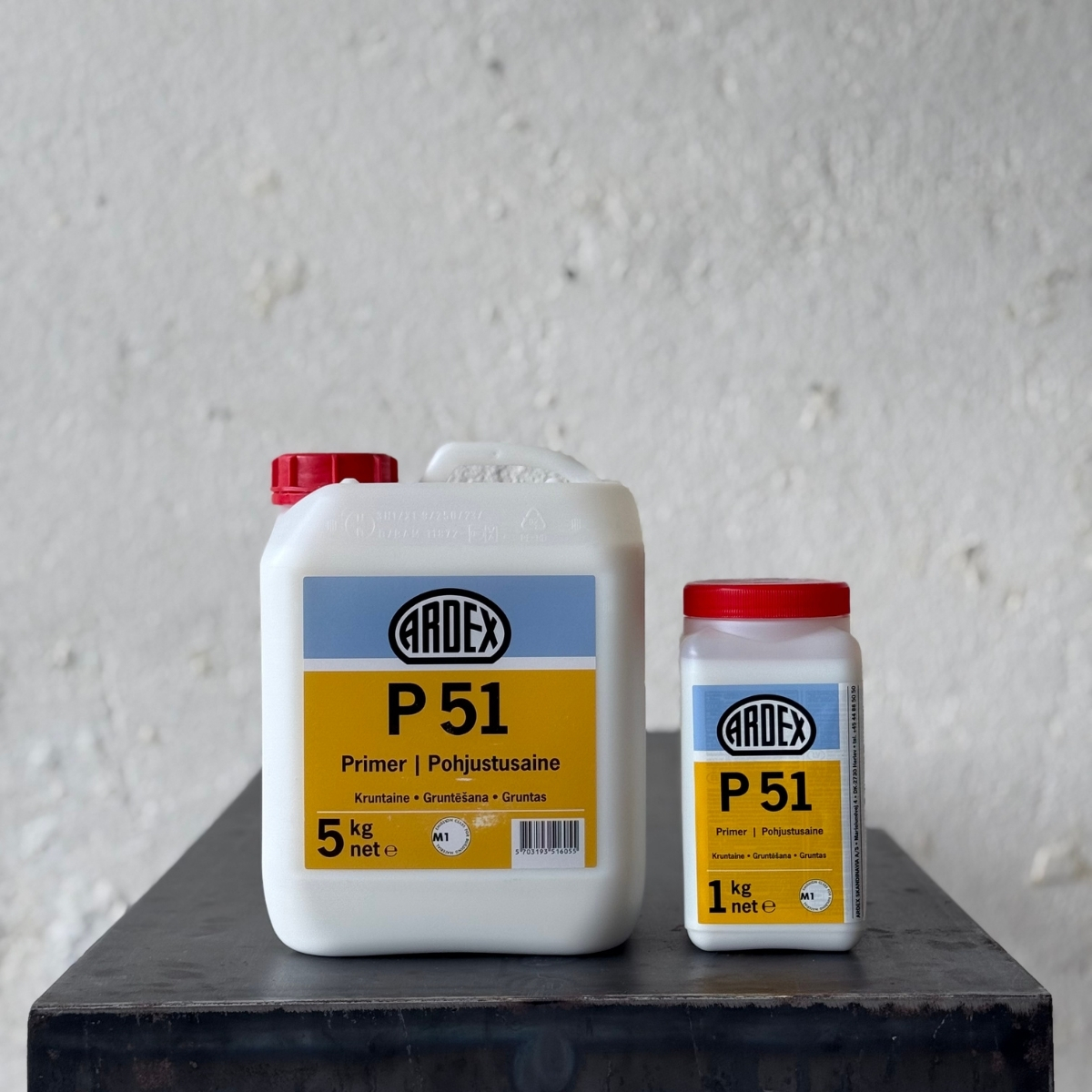
If the leveling plaster on the walls is applied evenly and has no raised or sunken defects, decorative clay plaster can be applied directly, after priming the walls with deep primer ARDEX P51 (diluted with 4–5 parts water).
If the leveling plaster has many patches or defects that do not align evenly with the surface, it is recommended to skim-coat these walls once with suitable leveling compounds.
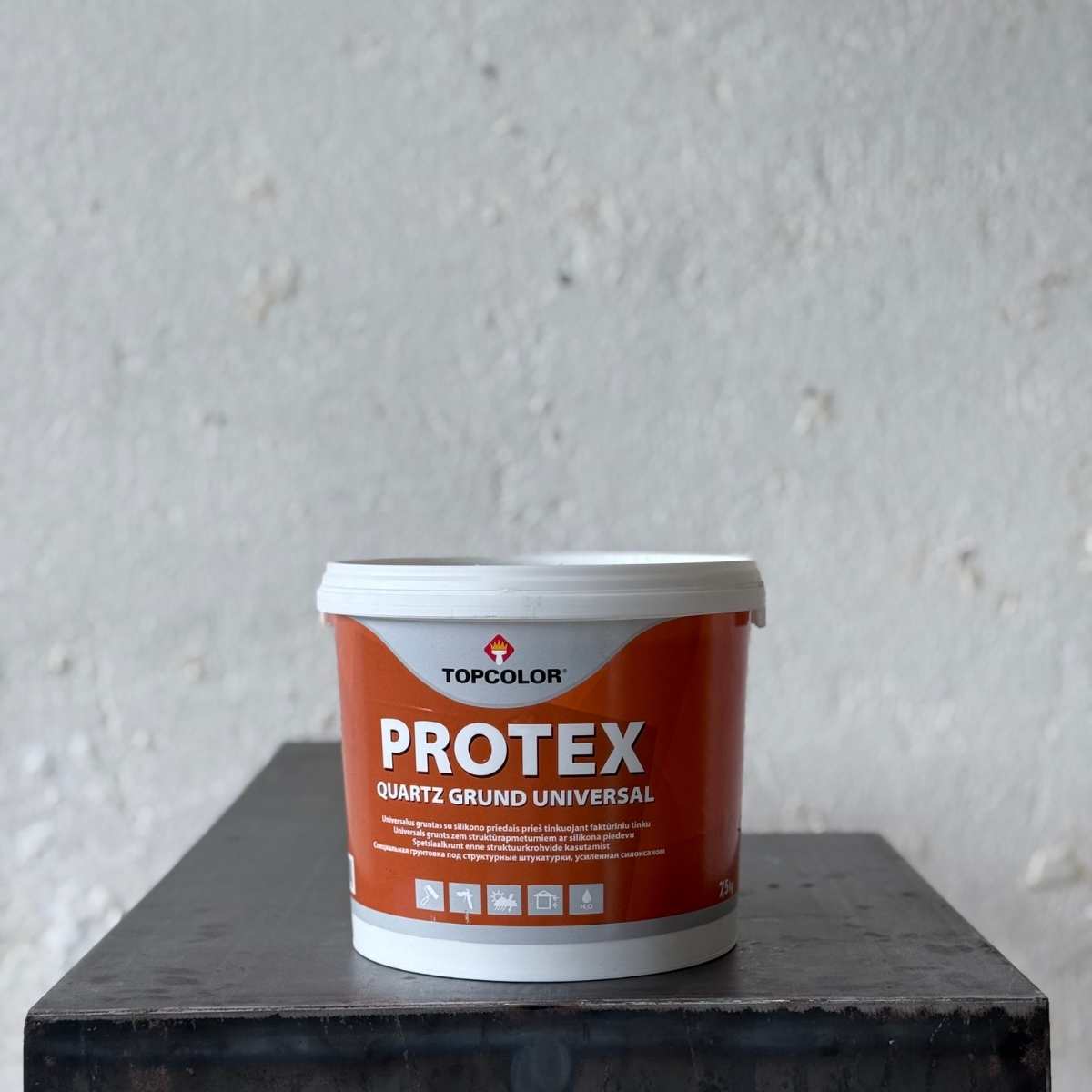
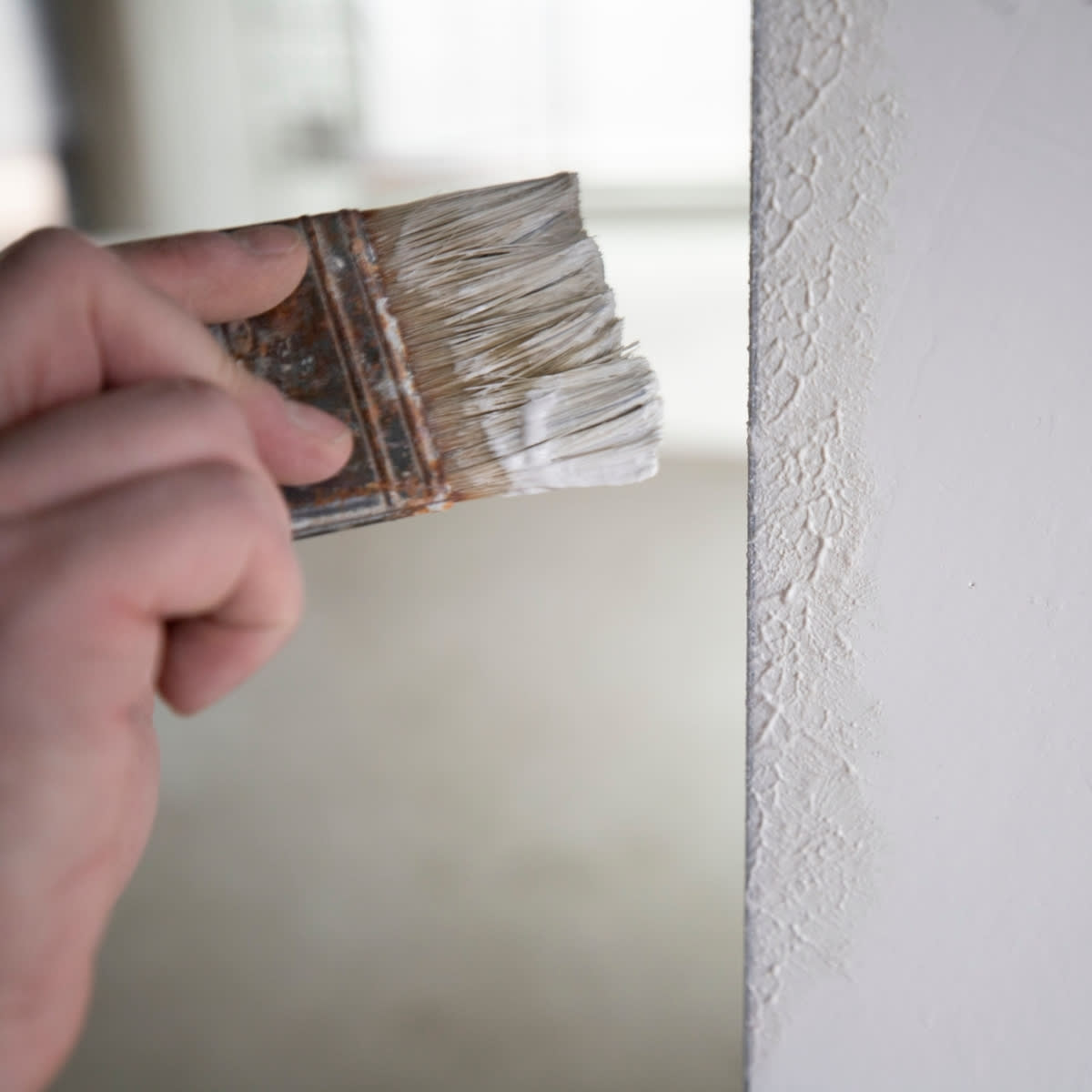
If external wall corners are finished with plastic, aluminum, or other corner profiles, they must be primed before plastering with an adhesion primer containing quartz sand to ensure proper bonding of the clay plaster. Otherwise, adhesion will be poor and the corners will remain fragile. We recommend TOPCOLOR PROTEX primer.
When plastering over non-galvanized parts, they must be primed with an anti-corrosion primer.
Preparation of Gypsum Board Walls and Ceilings:
In most cases, it is not necessary to fully skim-coat gypsum board before applying clay plaster, but joints, corners, and fastening screws must be carefully filled and leveled with the surface. There should be no indentations, protrusions, visible paper tape, or aluminum corners.
The choice of materials for preparing gypsum board is not critical – simply follow the system recommended by the panel manufacturer.
Before applying clay plaster, to slow down drying, we recommend priming the entire surface with ARDEX P51 deep primer (diluted with 5 parts water).
If a very smooth, hardened decorative finish is planned, full skim-coating is recommended to prevent small defects from reappearing once the clay plaster is hardened.
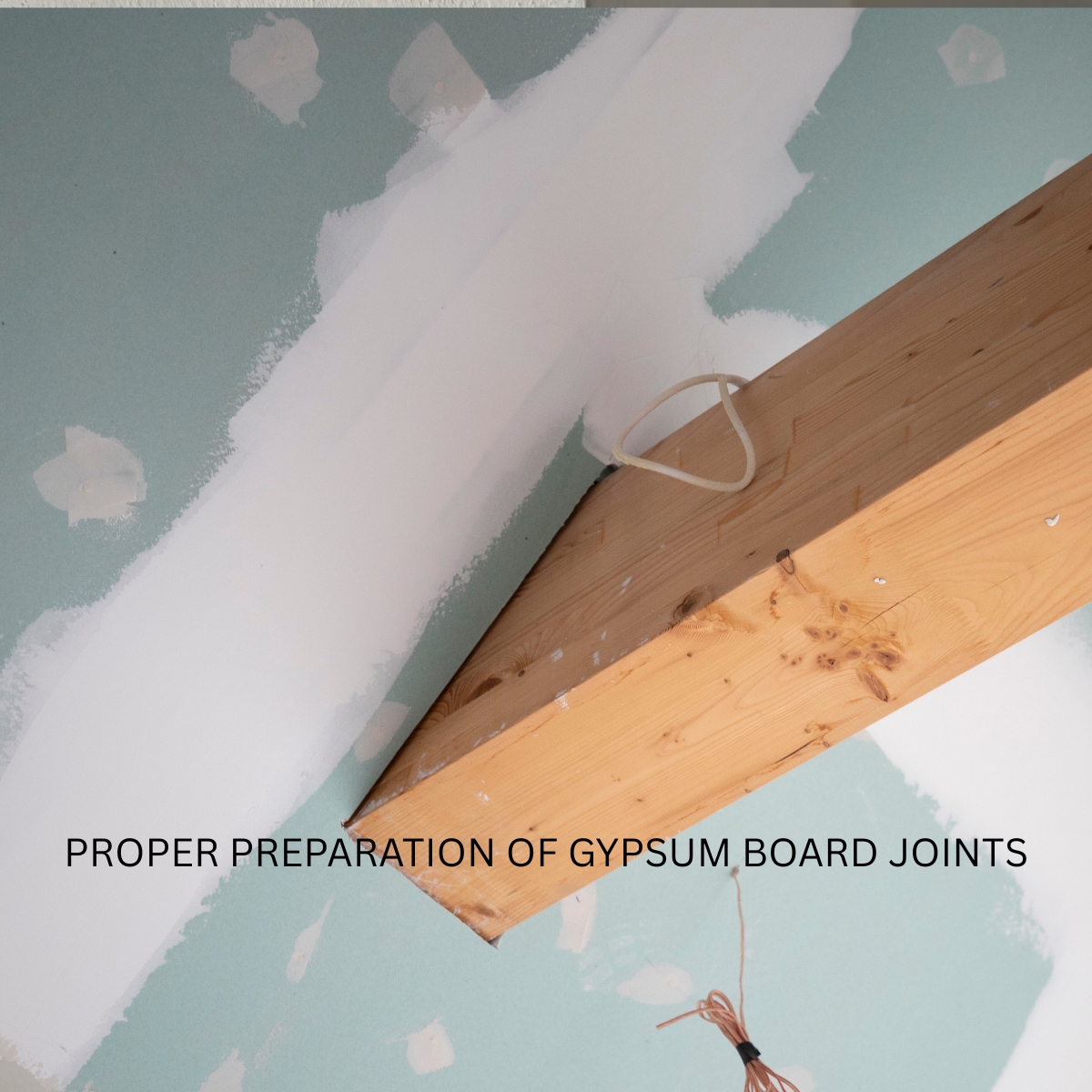
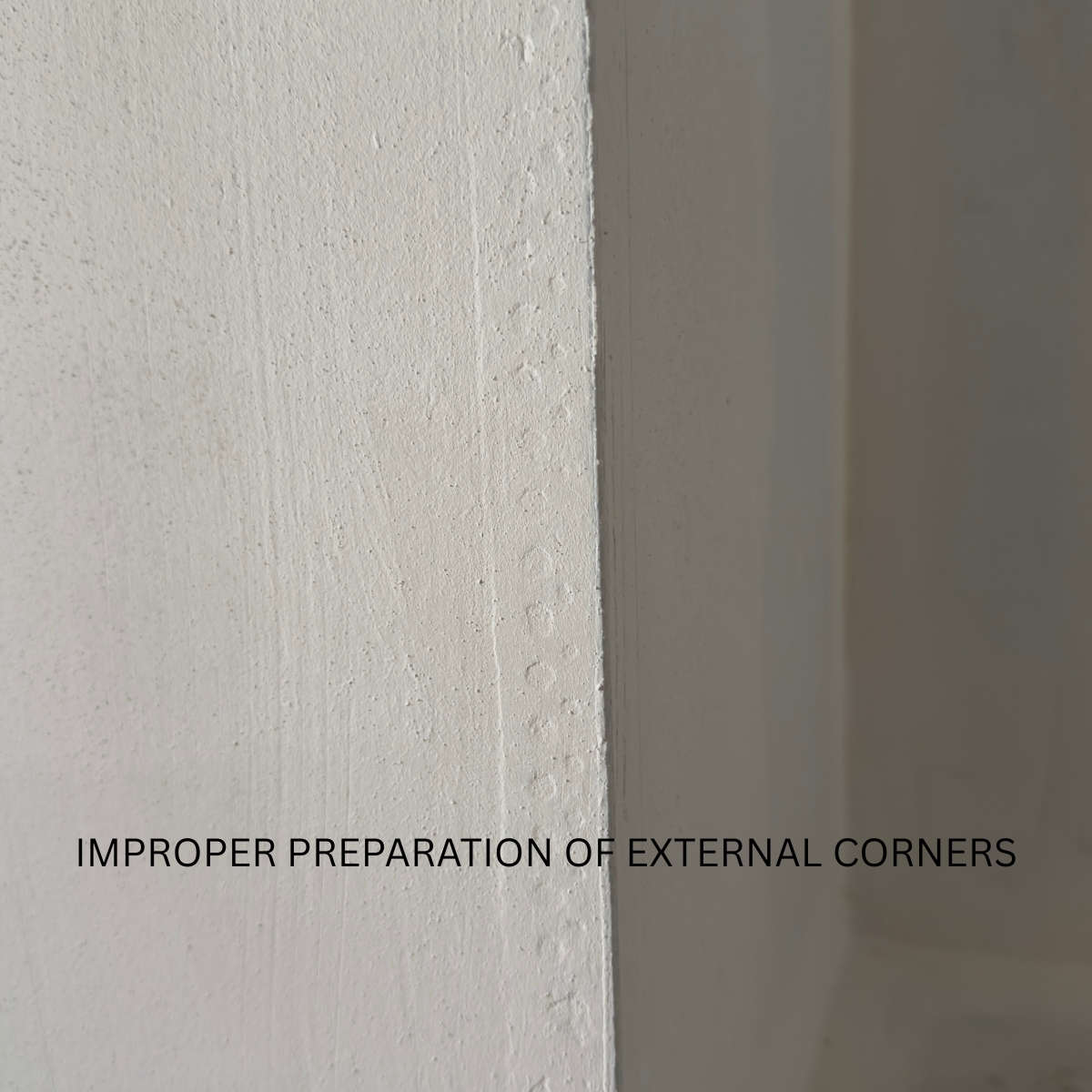
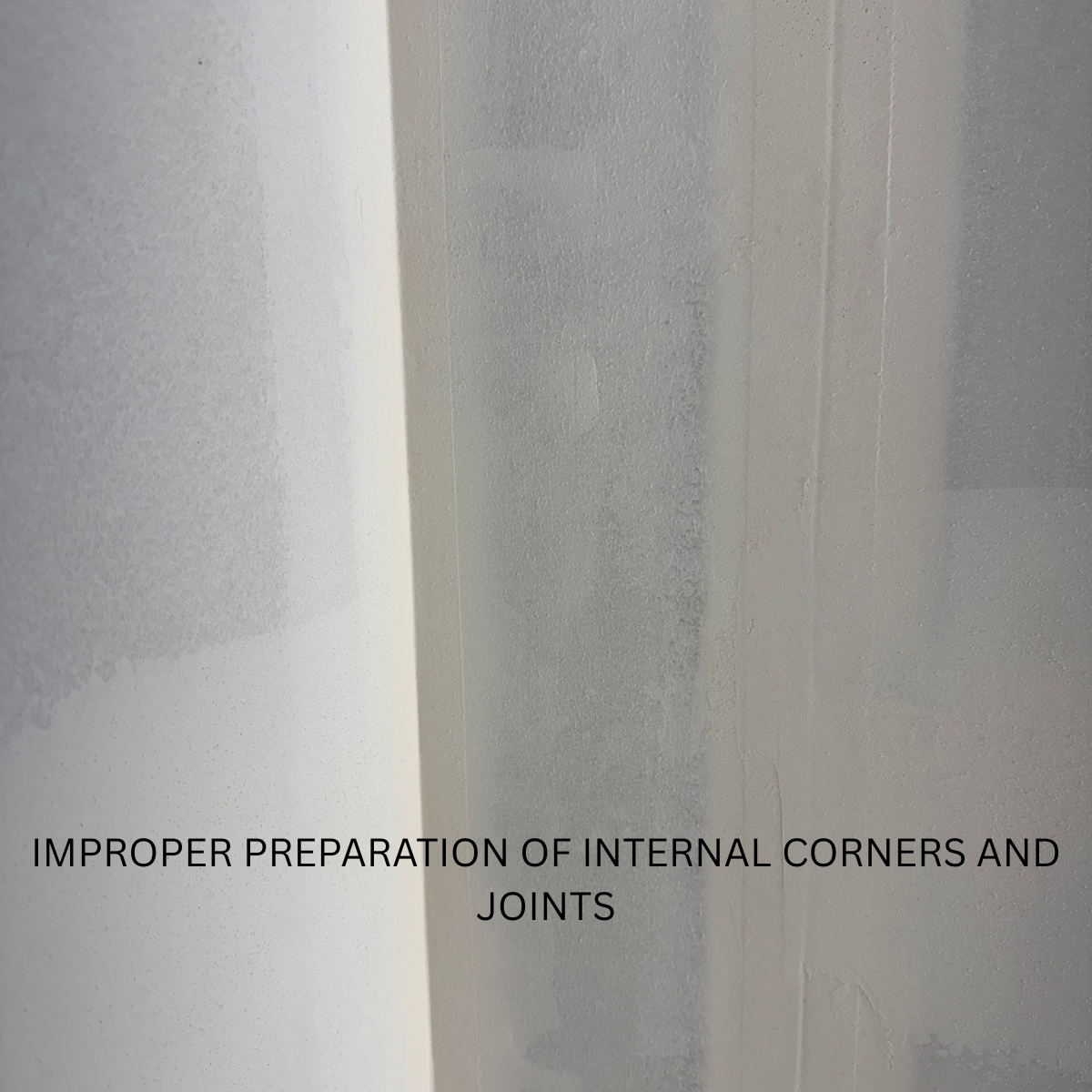
For forming external corners, aluminum or plastic-paper composite corner profiles may be used. Regardless of type, they must be primed with an adhesion primer containing quartz sand. We recommend TOPCOLOR PROTEX primer.
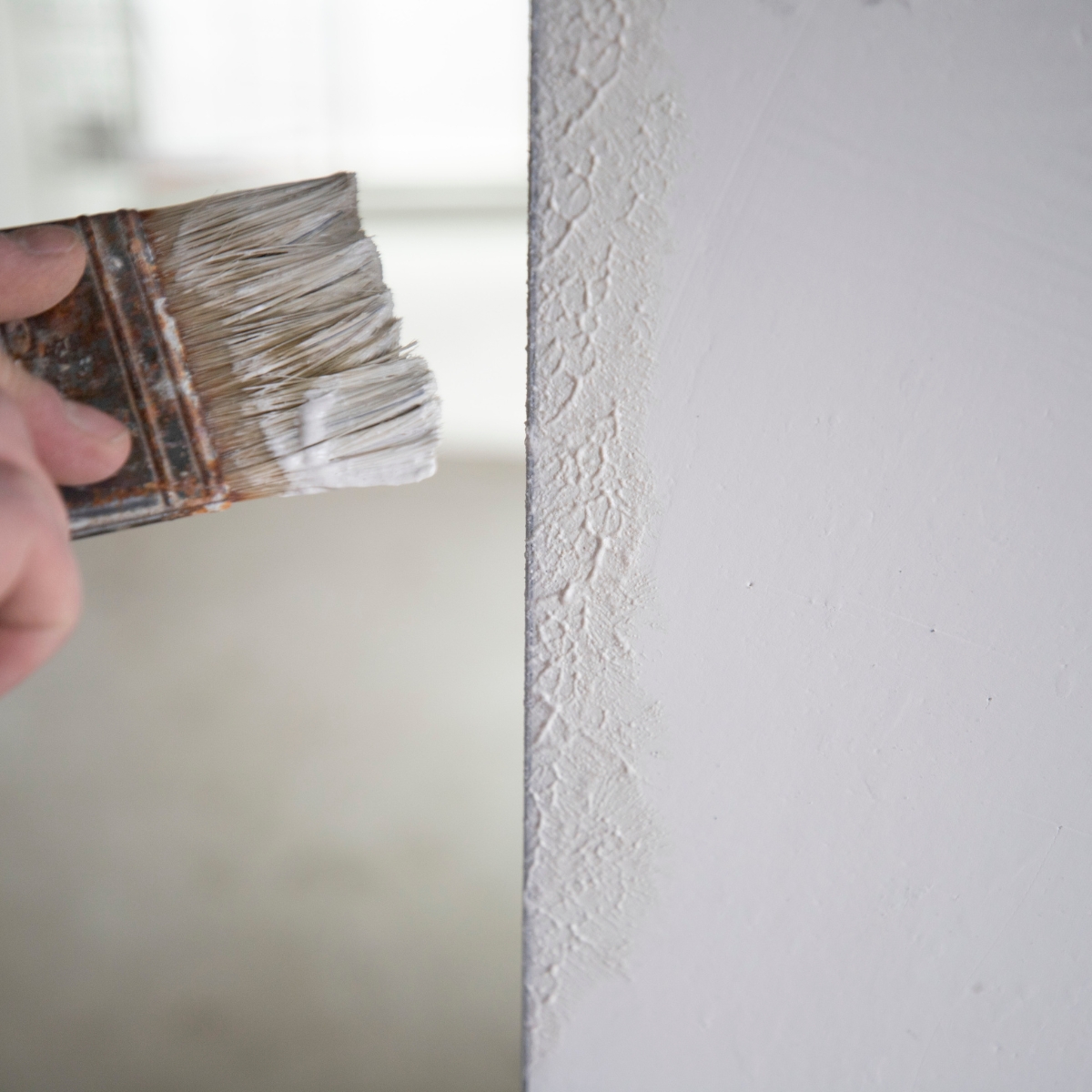
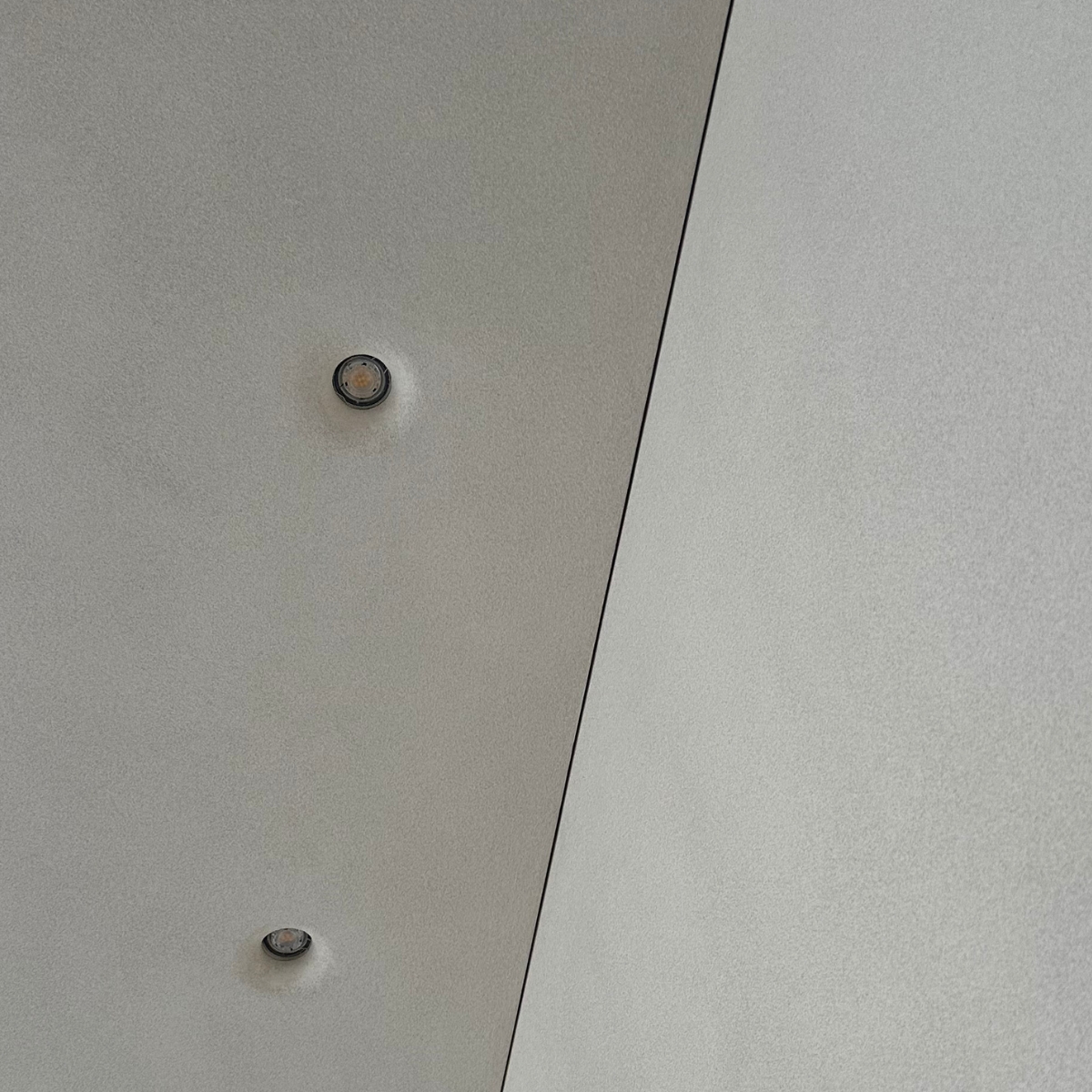
If a shadow/deformation joint is formed between the ceiling and wall, we recommend leaving a 3–4 mm gap between the skimmed corner profile and the wall.
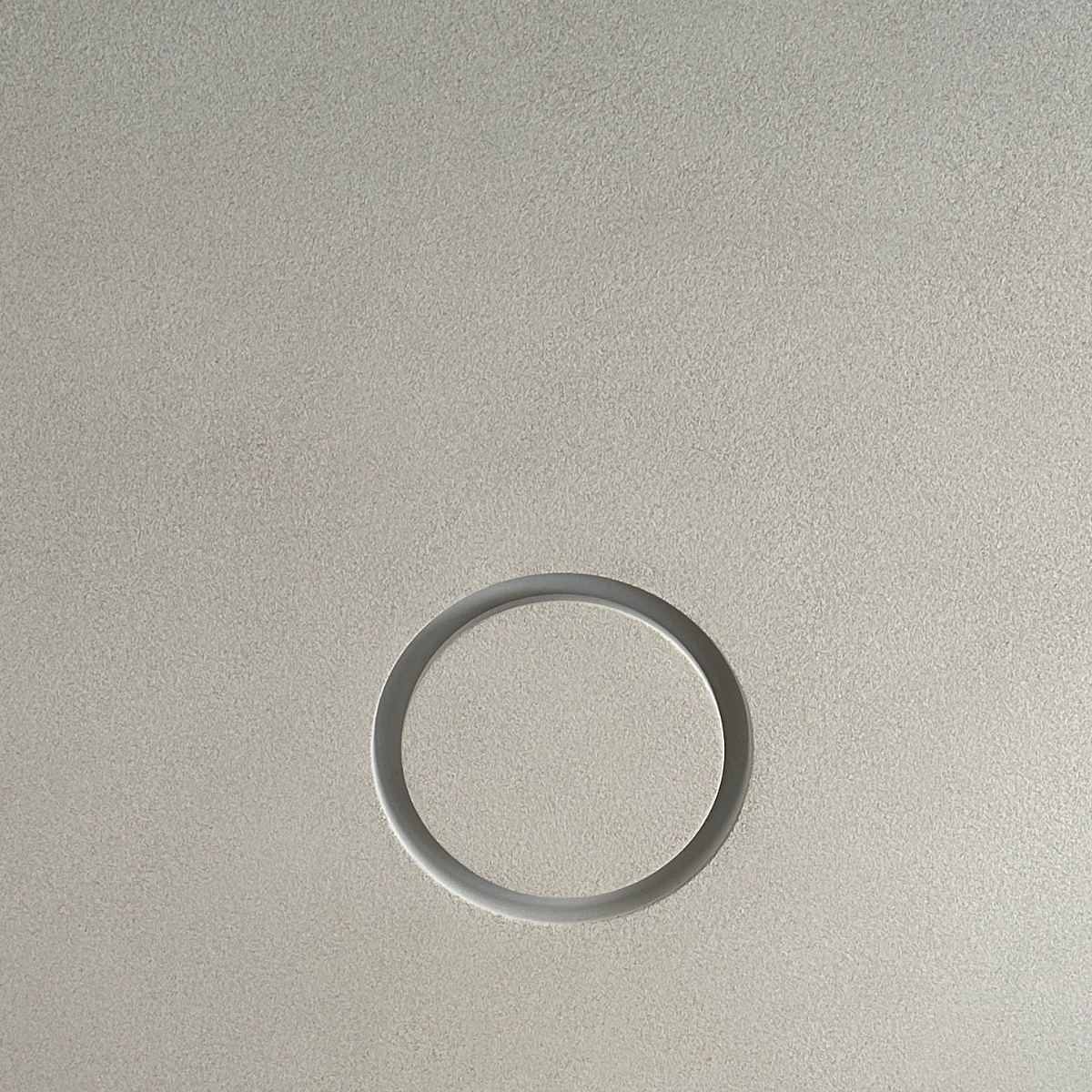
Preparation of concrete surfaces:
The base must be stable, load-bearing, and free from loose particles. All irregularities in aerated concrete should be leveled with suitable fillers, then the surface primed with ARDEX P51 (diluted with water according to manufacturer’s instructions).
On previously painted surfaces:
Clay plaster can be applied only to firmly adhering old paint. Before plastering, it is recommended to prime the surface with adhesion primer TOPCOLOR PROTEX containing quartz sand.
When plastering over oil-based paint, surfaces must be primed with adhesion primer TOPCOLOR PROTEX.
Weakly adhering paints must be scraped off until reaching a stable base. If necessary, level the irregularities with suitable fillers, then prime the surface with TOPCOLOR PROTEX.
When plastering clay plaster over certain old paints, depending on previous preparation, small air bubbles may appear in the second layer of plaster. These can be easily smoothed with PVC floats, and even if slightly visible after drying, they usually do not affect the overall look.
On old tiles:
If tiles are firmly fixed and relatively even, so that you can plaster smoothly with a metal tool, the surface must first be primed twice with adhesion primer TOPCOLOR PROTEX containing quartz sand.
If tile joints are very deep, we recommend leveling them to the surface using leveling compounds or the same clay plaster.
Reminder: clay plaster should be applied only in dry areas without direct water contact. Otherwise, the surface must be coated with a water-resistant varnish for protection.
On old wallpaper:
Ideally, old wallpaper should be removed. However, if it is very firmly attached and peels off together with the underlying layer, and a full renovation is not desired, clay plaster can be applied directly on wallpaper. First, ensure that wallpaper adheres firmly and prime the surface with adhesion primer containing quartz sand.
You can test adhesion by wetting the wallpaper. If it still holds firmly, clay plaster can be applied after priming.
If old wallpaper is removed, it is essential to eliminate all residues and glue. Otherwise, moisture may cause blistering. Once clean, the surface must be primed with TOPCOLOR PROTEX containing quartz sand.
On OSB/MDF and similar boards:
Once primed with adhesion primer containing quartz sand, clay plaster adheres well to OSB or MDF boards. However, such boards are not designed as final finishing surfaces, and cracks may form at joints if used for entire walls. If you decide to plaster directly on OSB boards, consult specialists and the board manufacturer regarding preparation.
If the boards are used as isolated elements, photo backdrops, or accents, you can confidently use clay plaster.
Various metal, plastic, or glass elements must always be primed with TOPCOLOR PROTEX adhesion primer containing quartz sand.
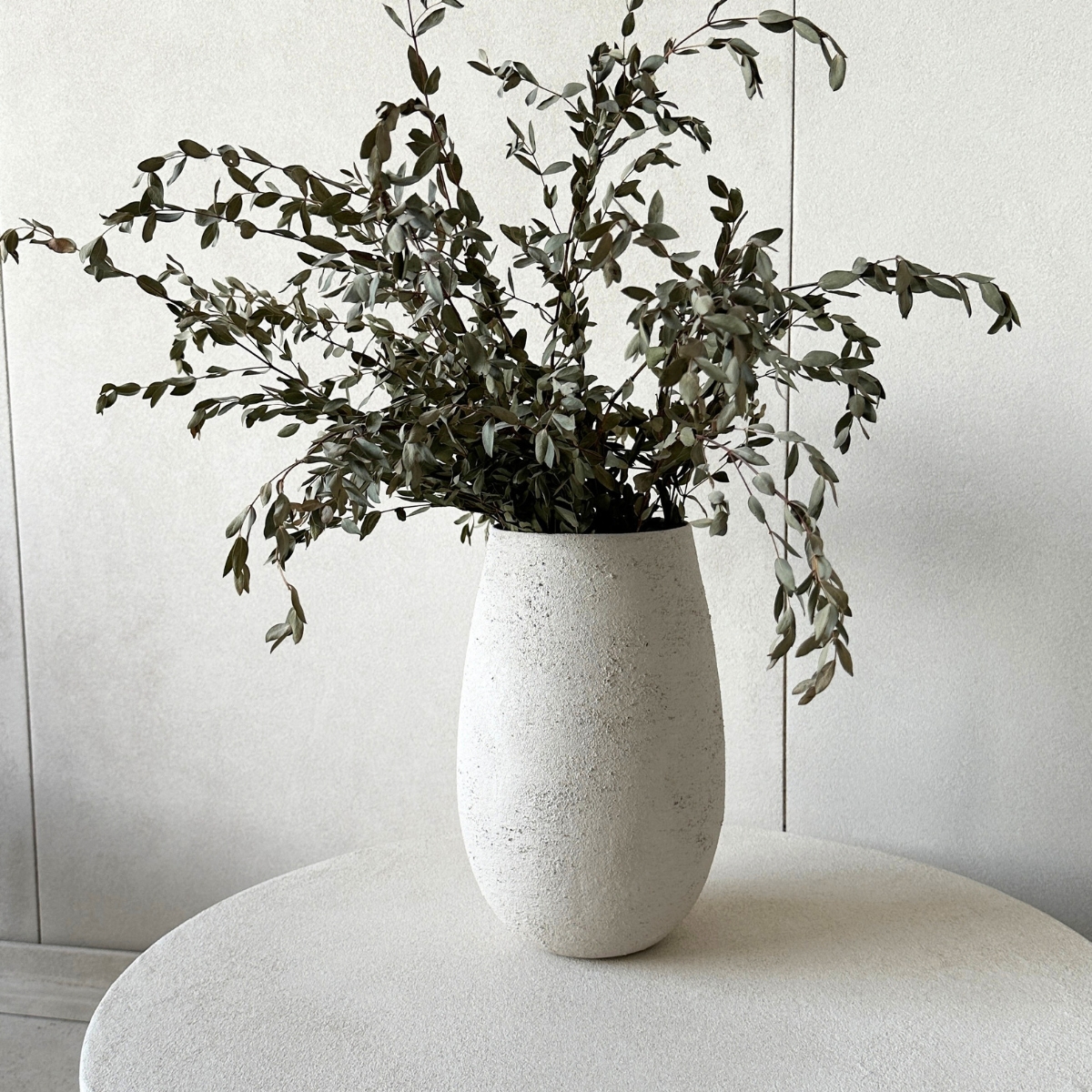
Even an old glass vase can be given new life :)
All articles in this blog are the intellectual property of Mr. Clay. If you would like to use part of the content, please contact us.
Wall preparation before working with ClayBeton decorative clay–cement plaster differs from preparation for clay plaster. Please read the information carefully.
It might seem like a minor detail, but choosing the right mixing container is actually the first step toward achieving a high-quality clay plaster finish.

To ensure a smooth and high-quality wall finishing process, it is essential to first organize and prepare the workspace.