


Wall "Volcano" 14 m2 + VIDEO
Take advantage of the bundle offer and pay less! The bundle includes everything you need to create the “Volcano” clay plaster wall décor.
Please note that the return policy applies only to the complete bundle.
Take advantage of the bundle offer and pay less! The bundle includes everything you need to create the “Volcano” clay plaster wall décor.
Please note that the return policy applies only to the complete bundle.

Safe purchase
.svg)
Home delivery

Refund
This technique can be done with White Decorative Clay Plaster, Light Sand 13, or even Brown Decorative Clay Plaster if you want more intense colors. However, we personally find it most enjoyable to create this technique with White Decorative Clay Plaster.
For the second layer, the clay plaster must be thicker than for single-color plastering; otherwise, the pattern you create may “slide” downward.
It is best to add 0.5–1 L less water than the minimum amount indicated on the package.
Once you mix the full amount, we recommend transferring some of the mixture into a separate container and thinning it slightly for the first layer, so it becomes easier to trowel.
Smoothly trowel the first layer and let it dry.
For this layer, the clay plaster should be applied slightly thicker, up to about 3 mm, so that the final pattern becomes more expressive.
Apply using curved, sweeping motions.
After plastering an area of roughly 1–2 m², while the surface is still wet, you must tap it using a decorative brush.
Then continue plastering another similar-sized area, tap again, and so on.
Once patterned with the decorative tool, the wall will look spiky and not very attractive — this is normal at this stage.
After completing the second layer, wait until the wall has dried enough that it is no longer sticky, but still damp.
Gently begin compressing the surface with a clean, dry stainless-steel trowel.
You don’t need to compress everything in strict order — if you notice that thicker areas are still very soft or sticky, return to them later.
If there are dry, lightened areas that have already absorbed water, you must moisten them again so they soften.
Compress only when the water has soaked in and the surface no longer looks shiny.
During compression, your textured surface will transform into a beautiful, smooth relief.
If the wall dries before you manage to compress it, you’ll need to re-moisten it.
The best way is to use a spray bottle, but avoid drips — water running down the wall can wash out pigment and leave streaks.
If you notice water pooling in some spots, gently roll over those areas with a dry paint roller to absorb the excess.
After waiting at least 10 minutes, once the wall no longer looks shiny and no longer feels sticky to the touch, carefully try compressing it with a stainless-steel trowel.
If the pattern compresses smoothly, continue with the entire wall.
If the wall feels too wet, wait a little longer.
If the surface scratches and the pattern does not compress at all, moisten it again.
After compression, the wall should feel smooth and pleasant to the touch.
Clay plaster walls can be left natural or varnished with the durable water-based Mr. Clay Varnish No. 1.
Read more about varnishing HERE
Keep in mind that the color of this décor is very intense — dark grey.
Bright and dark colors are always more challenging to varnish, so read the instructions carefully and, if possible, test the varnish on a small area first.
That’s it! As simple as one-two-three. Good luck with your walls!
All articles in this blog are the intellectual property of Mr. Clay.
If you would like to use any of this content, please contact us.
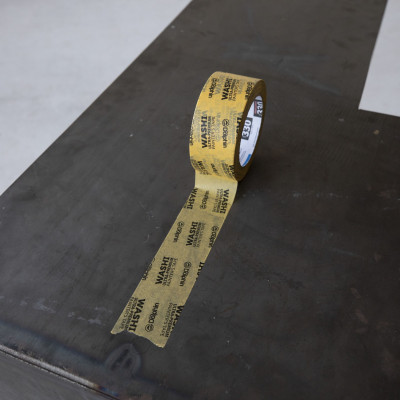
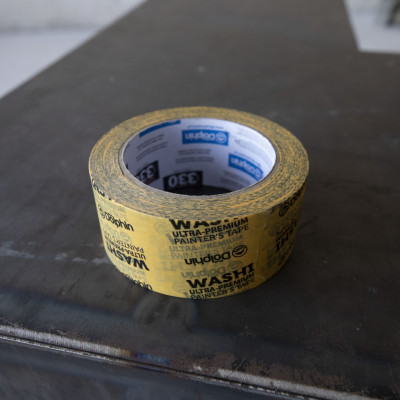


Clay mixtures can be applied to a wide variety of surfaces – whether it’s standard walls, furniture panels, or even a glass vase. The key is proper preparation, so please read our recommendations carefully.
When working with the ClayBeton mixture, it is essential not only to level but also to properly prime the decorated surfaces. Carefully follow all recommendations to achieve a surface that adheres firmly to the base and results in an even, consistent concrete-effect finish.
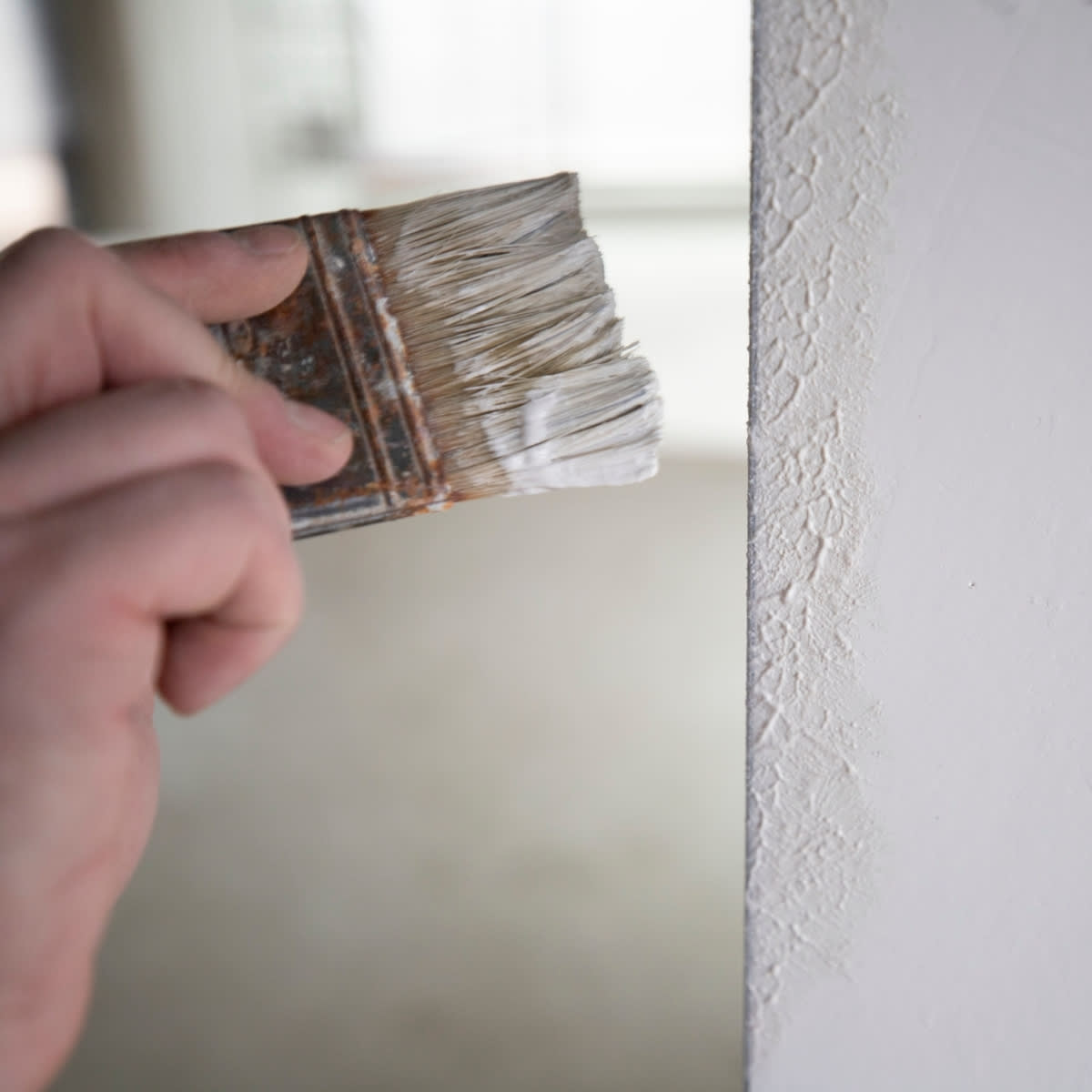
Clay mixtures can be applied to a wide variety of surfaces – whether it’s standard walls, furniture panels, or even a glass vase. The key is proper preparation, so please read our recommendations carefully.