


Final wall and ceiling finishes always begin with a clean and organized space :)
Before starting the final wall finishing with decorative clay plaster, it’s important to follow the correct order of work:
Tiles should already be installed in bathrooms and sanitary spaces.
Electrical wiring must be completed, including mounting of recessed socket boxes.
Concrete flooring should be poured and dried.
Walls, ceilings, and door/window reveals should be prepared for final finishing (read more about surface preparation here.


Whether you're doing the work yourself or hiring professional clay plaster applicators, preparation matters. Before starting, make sure to:
Clear the room of all construction materials, tools, debris, and clutter to ensure safe and easy movement.
Vacuum the floors thoroughly. This prevents dust from rising during application and settling on fresh walls.
Wet-clean windows and frames to remove accumulated dust and dirt that could later affect the finish.

Start by plastering the ceilings, and only then move on to the walls.
If the ceilings will be painted with conventional paints, the same order applies: paint the ceilings first, then plaster the walls with clay.
❗ If painting ceilings with standard paint, use painter’s tape designed for delicate surfaces to protect them during wall work.
❗ Stretch ceilings (tension ceilings) should be installed after clay plaster wall finishing is complete.
❗ Flooring is usually installed after the clay plaster wall finish.
However, if recessed skirting boards are planned, floors should be installed first, and the skirting profiles embedded in the wall. In that case:
Protect the floor properly using shock-resistant, carpet-like protective mats.
Protective paper is not sufficient as the sole covering.
Only after this protection is in place should the clay plaster be applied.

Whether your walls are coated with a protective varnish or left natural, we recommend additional protection before other work begins:
Use painter’s film or cardboard sheets to cover the walls, especially vulnerable outer corners.
From experience, we know that workers from other trades often don’t protect the walls, which leads to dents, scratches, or stains from glue or liquids.
Preventing damage is always easier than repairing it!
All articles on this blog are the intellectual property of Mr. Clay. If you’d like to use any part of the content, please contact us.
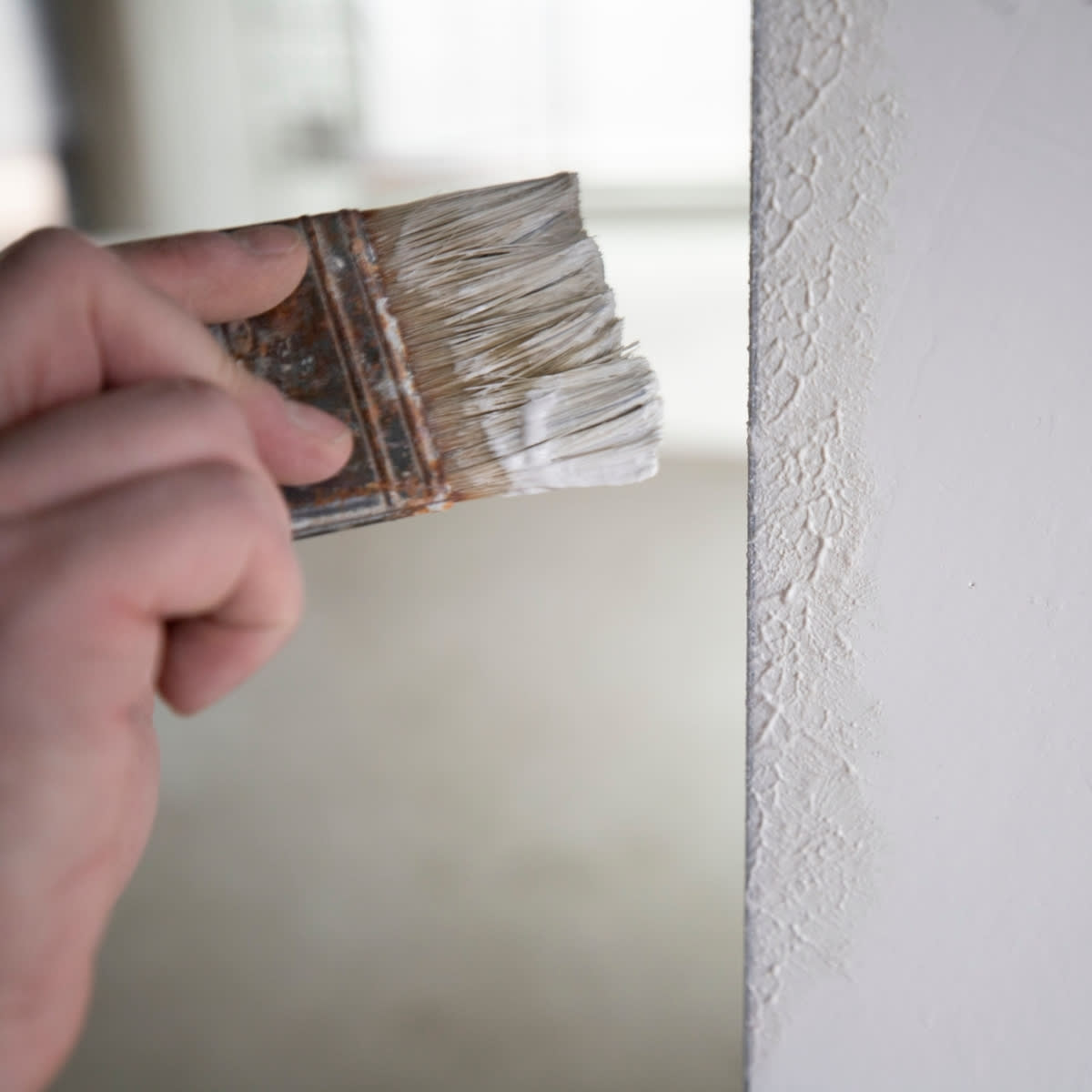
Wall preparation before working with ClayBeton decorative clay–cement plaster differs from preparation for clay plaster. Please read the information carefully.

It might seem like a minor detail, but choosing the right mixing container is actually the first step toward achieving a high-quality clay plaster finish.
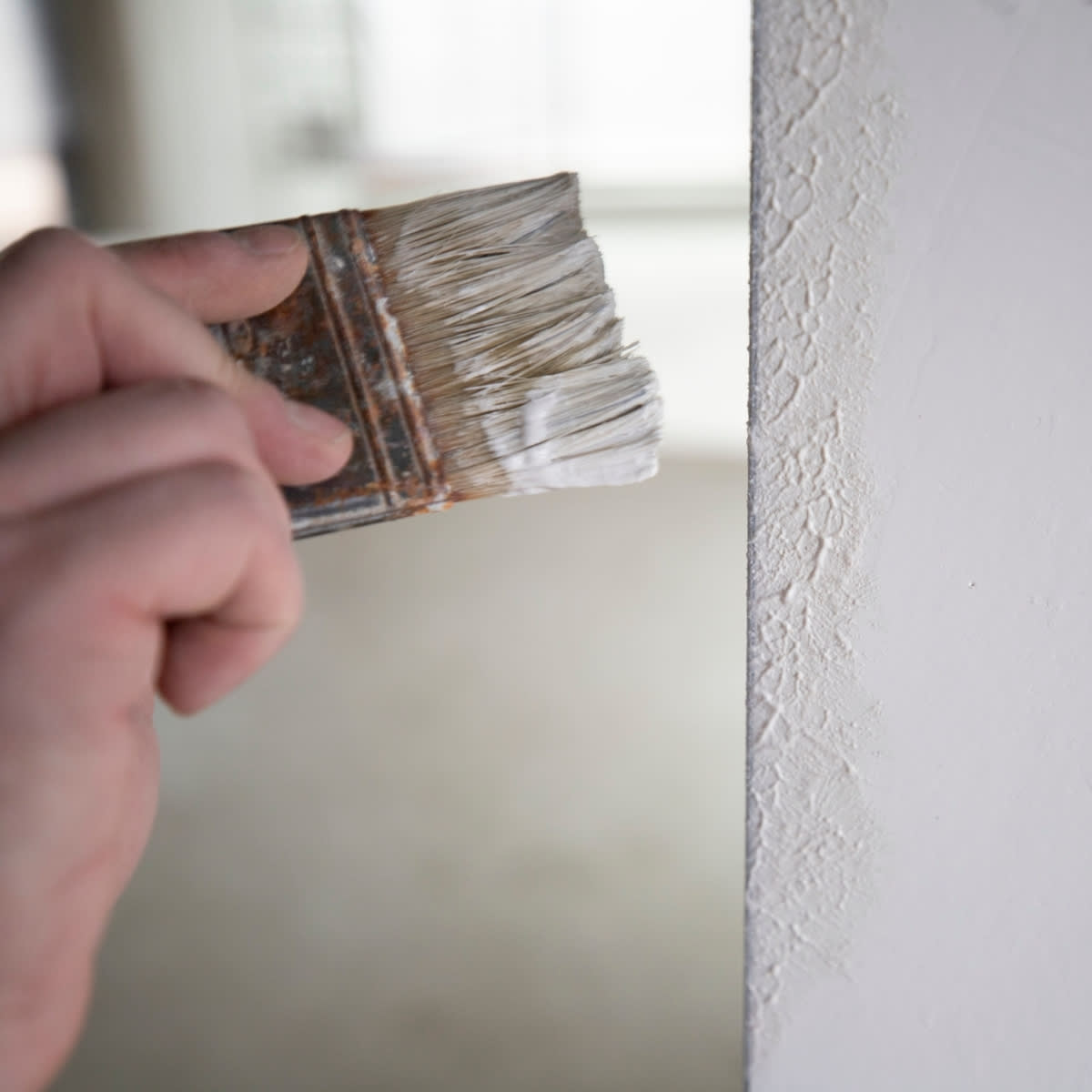
Clay mixtures can be applied to a wide variety of surfaces – whether it’s standard walls, furniture panels, or even a glass vase. The key is proper preparation, so please read our recommendations carefully.


