Clay plaster in a sauna house — but not in the steam room | Evaldas' story
Evaldas built a small sauna house in the countryside himself and decided to test clay plaster as widely as he could — in the anteroom, on the ceilings, on the doors and even on furniture fronts. He did not plaster the steam room or the shower area. A year on, he tells us what holds up perfectly and where the limit shows.
A note from MR. CLAY. Clay plaster is made for interior surfaces. Humidity as such does not harm it: damp plaster darkens — a wet mix is always richer in colour than a dry one — and it lightens again as it dries. That is exactly what Evaldas sees around the steam room door. The only real risk is water running over a surface for a long time, because it can wash the wall out. So we use it where there is no direct contact with water: in this building the anteroom, the corridor, the ceilings, the doors and the furniture fronts — not the steam room or the shower area.
Why clay plaster in a sauna house
A few years ago, I decided to build a sauna in the countryside. The main idea was to use clay plaster as widely as possible and see how it would perform in truly extreme conditions. So, the plaster was used not only on the ceiling and walls, but also on the doors and furniture facades.
The hardest place: the shower room
The most extreme place is the shower. The shower area itself is, of course, tiled, but that's all. Water finds its way out through the gaps in the door, so the corners near the shower door always remain wet. It may not be very aesthetic, but it dries out and everything is as it was.
Ceilings and walls: where the plaster darkens, and why it passes
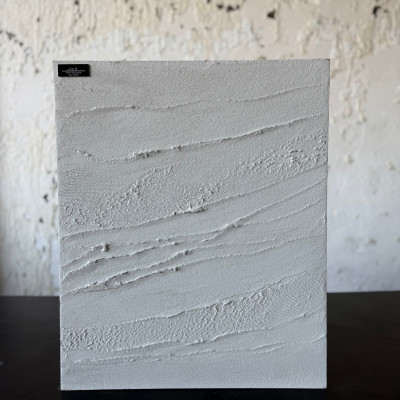
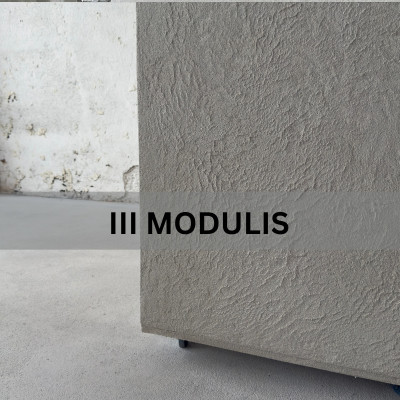
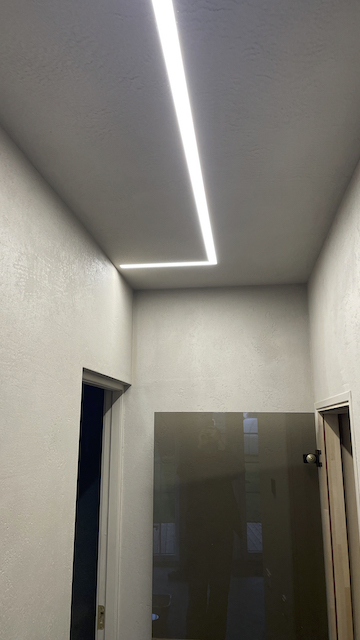
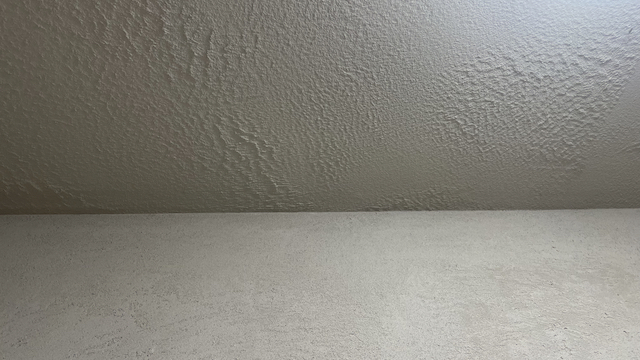
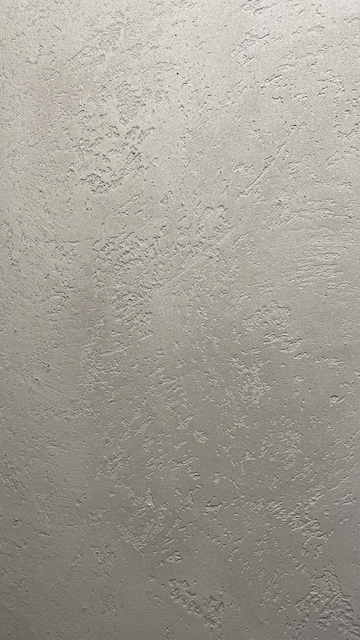
Techniques used: Simple plastering on the slopes of the ceiling and three walls of the porch. Uncovered, when using the sauna in winter, when ventilation is not possible, the humidity in the room exceeds 90%, and the corners, plaster joints, and screw holes begin to darken. The other remaining wall was plastered with gravel, and it was difficult to deal with the moving stones during plastering, but everything was fixed with a sponge. This wall was primed and varnished. It is completely unaffected by the high humidity. The ceilings of the hallway, toilet, and shower room are plastered with waves (uncovered), and the walls and doors are plastered using the svencelės technique (I think that's what it's called). The plaster with gravel is applied and covered with plastic. These walls have also been primed and varnished. It is definitely resistant to everything, although the plaster around the steam room door itself is starting to darken.
How to varnish clay plaster properly
Evaldas primed and varnished the surfaces that needed extra durability. Varnish gives clay plaster resistance to scratches, rubbing and cleaning, but how it is applied matters a great deal. This video shows the whole process — how long to wait, how many coats, and which mistakes to avoid. It is narrated in Lithuanian, but every step is shown on screen.
Doors and frames: what I did not expect
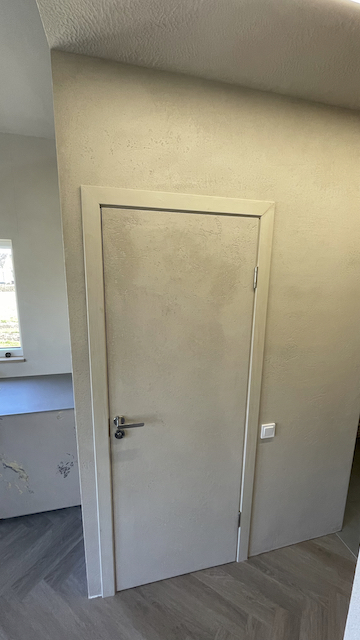
A little about the door - I chose the cheapest door for this experiment. I painted it the same way as the walls, but the question arose of what to do with the door frame and trim. I decided to use clay paint of the same color, but the problem was that it didn't stick to the wood very well, so I had to paint it many times.
MDF furniture fronts
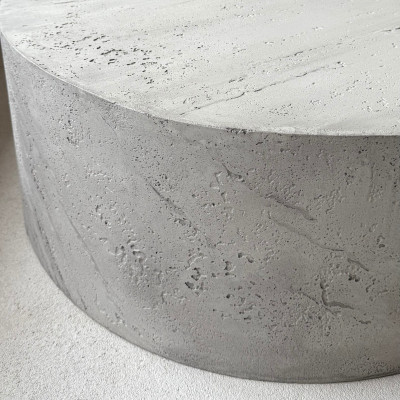
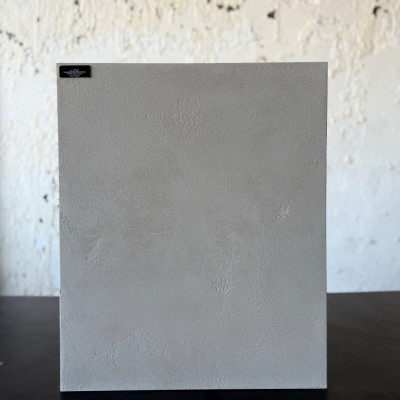
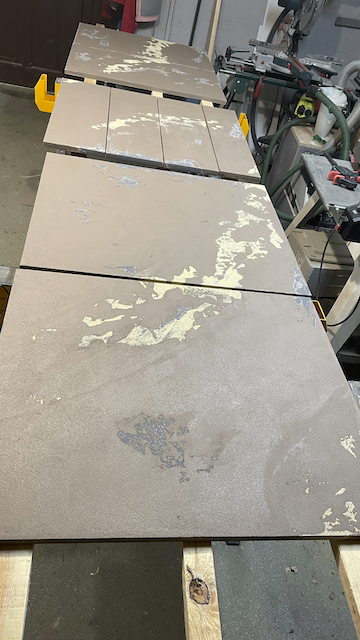
And then there was the furniture. Since I did everything myself in this construction project, from the design to the final touches, the furniture was no exception. It was made from MDF boards, I painted the frames with simple furniture paint, and used clay plaster (primed and varnished) for the facades. The hardest part was probably plastering everything on one plane so that I wouldn't lose the pattern. I used three colors, but I mixed up the order of the same colors in the kitchen and toilet cabinets.
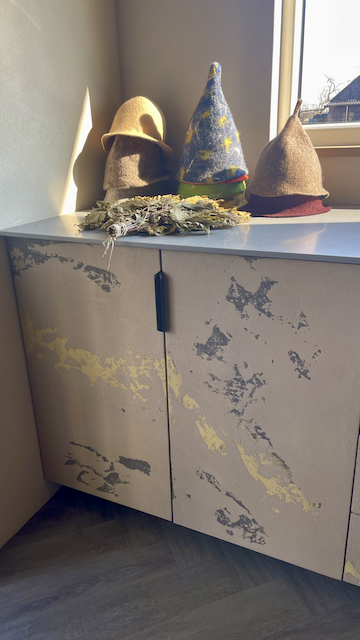
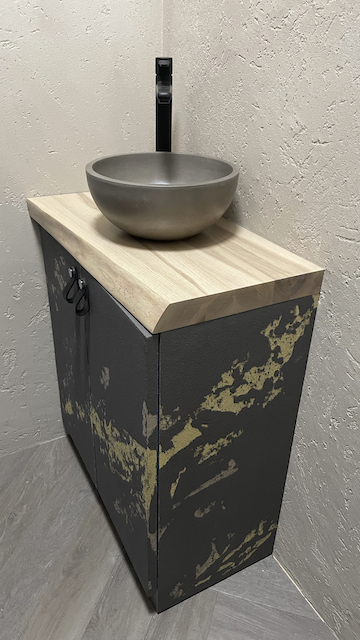
The result after a year, and what Evaldas would do differently
I am satisfied with the result, it has been in use for a year now and I have no major complaints. Would I use it for the facade of my everyday kitchen? Probably not. We cook food there, and sometimes the porridge spills not only from the pot, but also over the facades :)
That's my story and experience with building a sauna.
In answer to the question of whether I would change anything, I would varnish all the clay-covered surfaces in a building where the humidity exceeds 90%, but it's not too late... But now I'm too lazy, I want to enjoy the pleasures of the sauna and no longer pay attention to the darkening walls :)
So, come on in to the sauna!
Would you like to share your own wall story and get a €150 workshop voucher? Read the rules here.
Related Posts
Tell us how you decorated your wall with clay plaster and receive a €150 voucher for a MR. CLAY wall decorating workshop. It takes about 15 minutes.
After our workshops, Laura decided to try creating the Sand Dunes wave decor with clay plaster herself. Although she made some mistakes at first, they ultimately helped her achieve an even more striking accent wall.
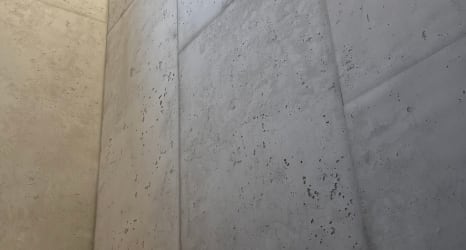
Sandra and her husband had no experience at all, yet they plastered their staircase wall with the ClayBeton mix themselves. How it went, what was hardest, and how the result looks.
Help others discover the joy of natural wall finishes – share your experience working with clay plaster, and we’ll gift you a €150 voucher for any of our wall decoration training modules. You can use it yourself or give it to a friend!
Related Products