How to create a decorative wall yourself: "Sand Dunes" | Laura’s story
An accent living-room wall with a textured finish
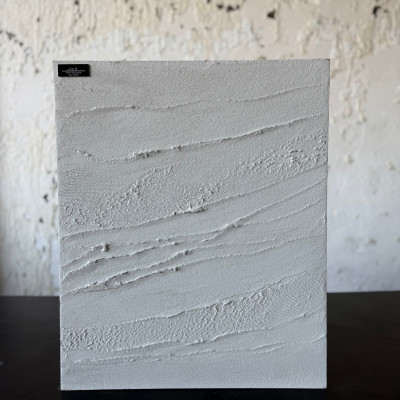
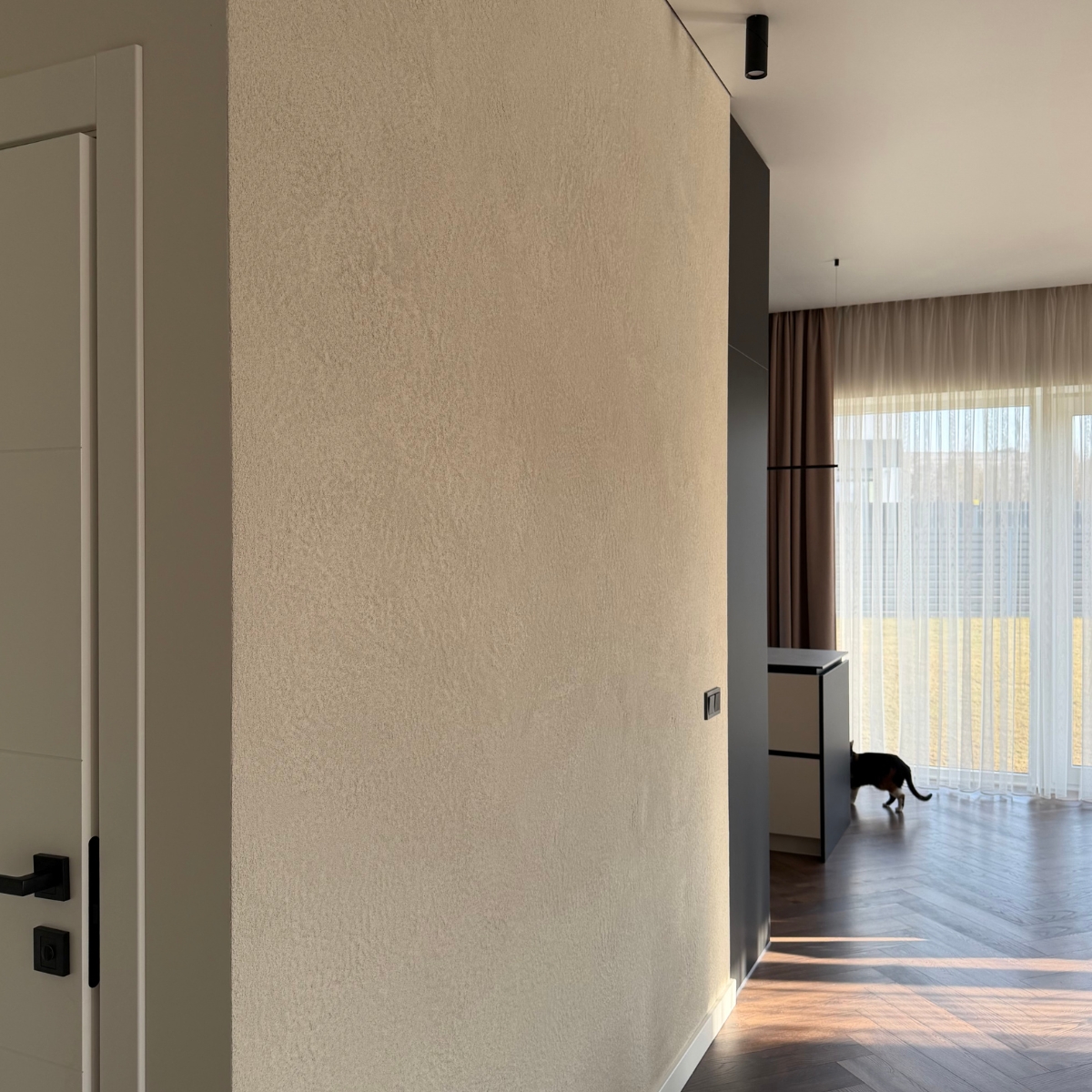
I’m someone obsessed with all kinds of home projects, constantly living in a world of decorating, cozying up, renovating, and setting up my home. A few years ago, we bought a house that, although newly finished, lacked character. One of the biggest challenges was the main living room wall—it looked dull and empty, and it even developed cracks from the house “settling” in the first few years. Since we weren’t ready to renovate the entire house, I decided to try my hand at clay plaster and use this wall as an experimental project. For the decoration, I chose the “wave” technique.
Why clay plaster and not paint
Pinterest and Instagram, my main sources of interior inspiration, introduced me to the aesthetic side of clay plaster in interiors. Mr Clay’s Instagram account ultimately made me fall in love with this material. Naturalness, the warm feeling it gives a room, and its forgiveness for mistakes were the main factors behind my choice.
Is it hard to plaster a wall yourself for the first time
Since I didn’t have much experience, I decided to participate in Mr Clay’s organized workshops. The wall was small, so I plastered it alone, while my husband helped manage the logistics of a 25 kg plaster bag—a task I probably couldn’t have handled alone. The hardest part for me was accepting imperfection. When applying the first layer, things didn’t go perfectly, especially achieving clean corners and edges, which required a bit of skill.
During the second layer, I unleashed my inner artist and created the desired pattern. I wanted the waves to be more pronounced, so I applied the second layer generously and shaped it carefully. Unfortunately, the result wasn’t immediately satisfying, as some areas of the plaster cracked when dried. I tried using ChatGPT to help fix my mistakes (which I highly recommend not doing!) and attempted to rehydrate the cracked areas with a spray and smooth them with a brush. However, this backfired because the pigment washed out in spots, leaving visible marks after drying.
At that point, I decided to ask for help and called Raimonda, who reassured me and suggested applying a third layer. With a clearer understanding of how clay plaster works, I did as advised, and the result was even better than I expected! The third layer fixed the previous “mistakes,” and the thicker second layer gave the waves a more pronounced texture, just as I wanted.
Why the plaster cracked and how to fix it
I’ve already mentioned the surprises, but the process was enjoyable because clay plaster is a friendly material that’s easy to clean up and fix. This is very important for someone like me, a beginner.
Mr. Clay comment: Yes, clay plaster is safe to work with even while living in the house – no smells, no dust, and any accidentally smeared surfaces wipe clean with plain water.
The result: how the wall looks now
I’m very happy with the result. The only downside is that I can’t stop thinking about what else I could plaster at home!
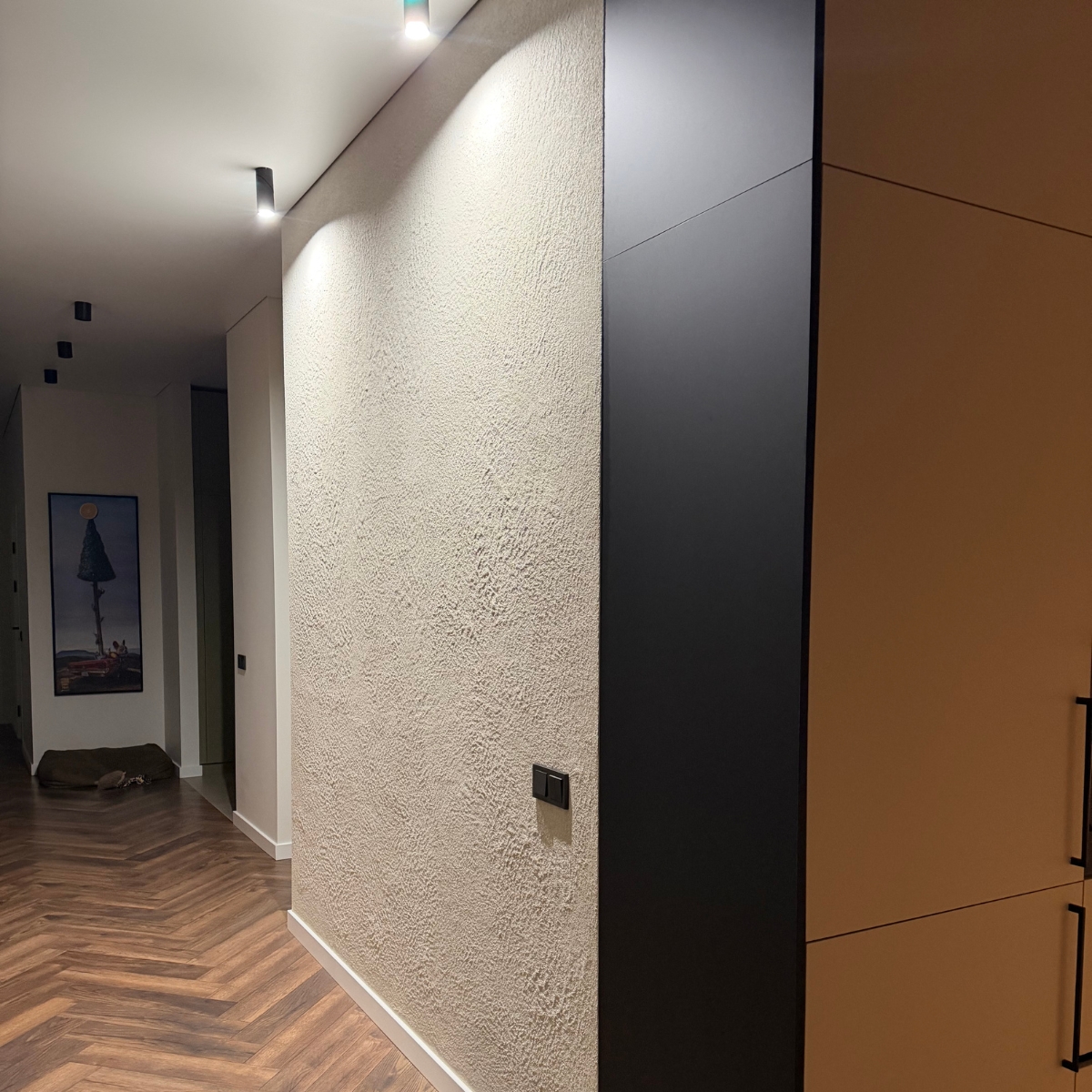
What Laura would do differently
Even though I made mistakes, I wouldn’t change anything, because those mistakes helped me achieve an authentic and desired result.
A piece of advice I’d give to others—and would likely use myself—is to try the technique on a smaller plaster piece first, to see how the material looks when dried with the desired amount applied.
The most important message is not to be afraid to experiment—clay plaster truly forgives mistakes!
What do others get? The same technique in different hands
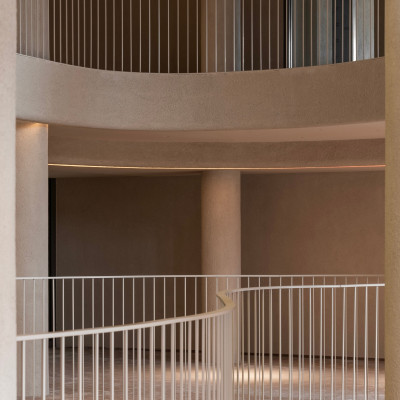
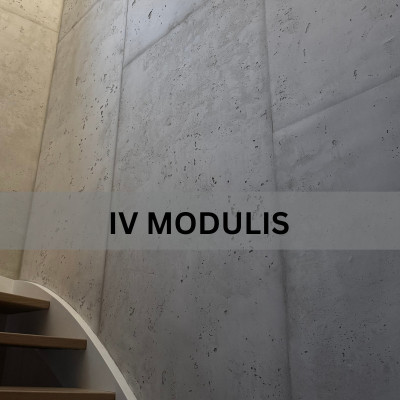
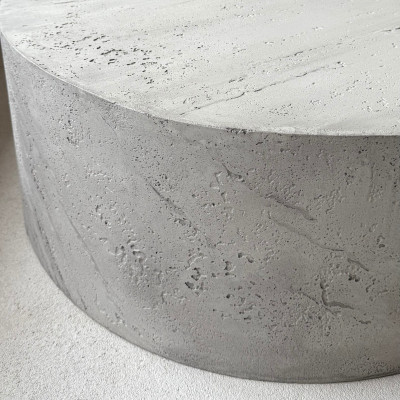
The same Sand Dunes finish, in different spaces and by different craftsmen.
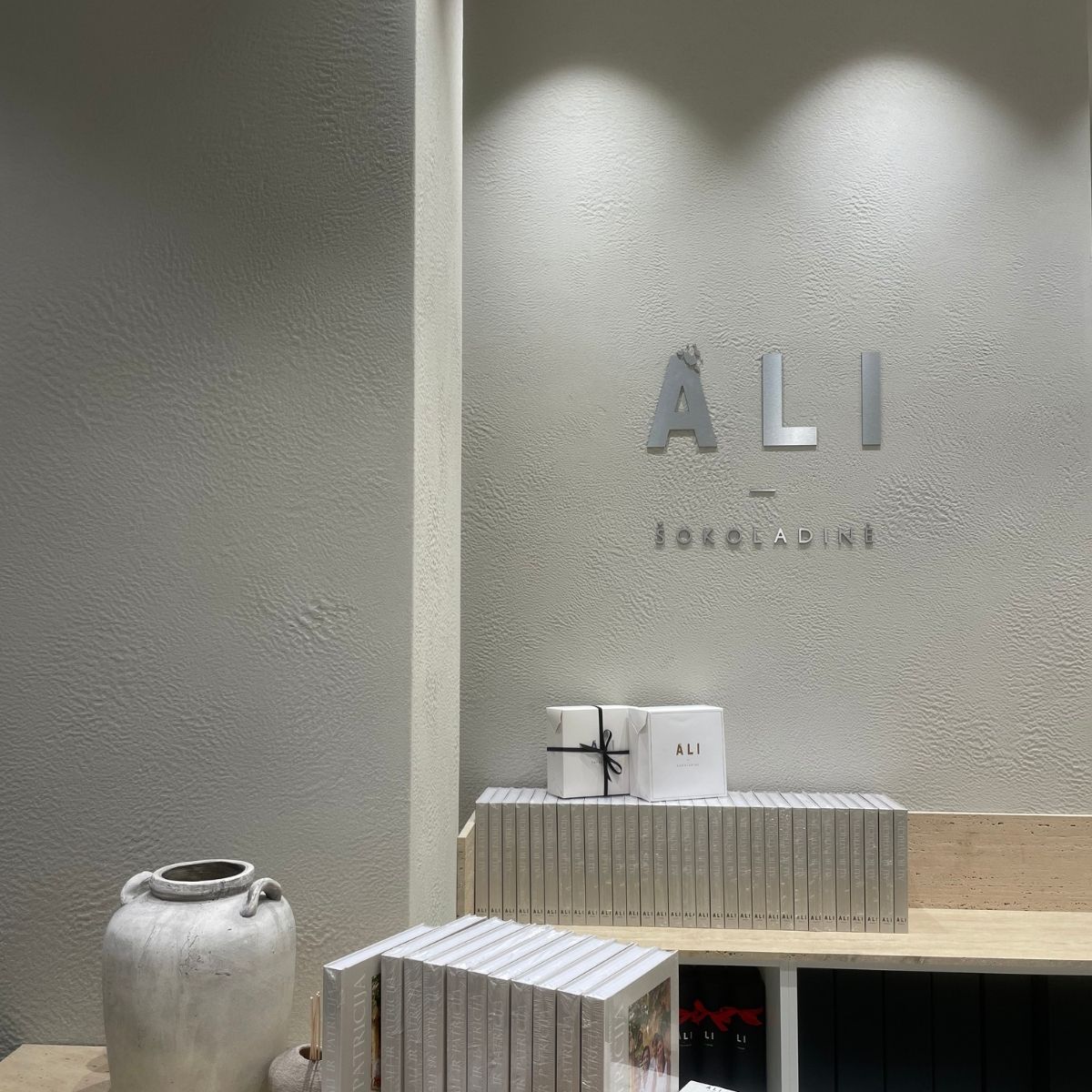
ALI chocolate shop, Panorama mall, Vilnius
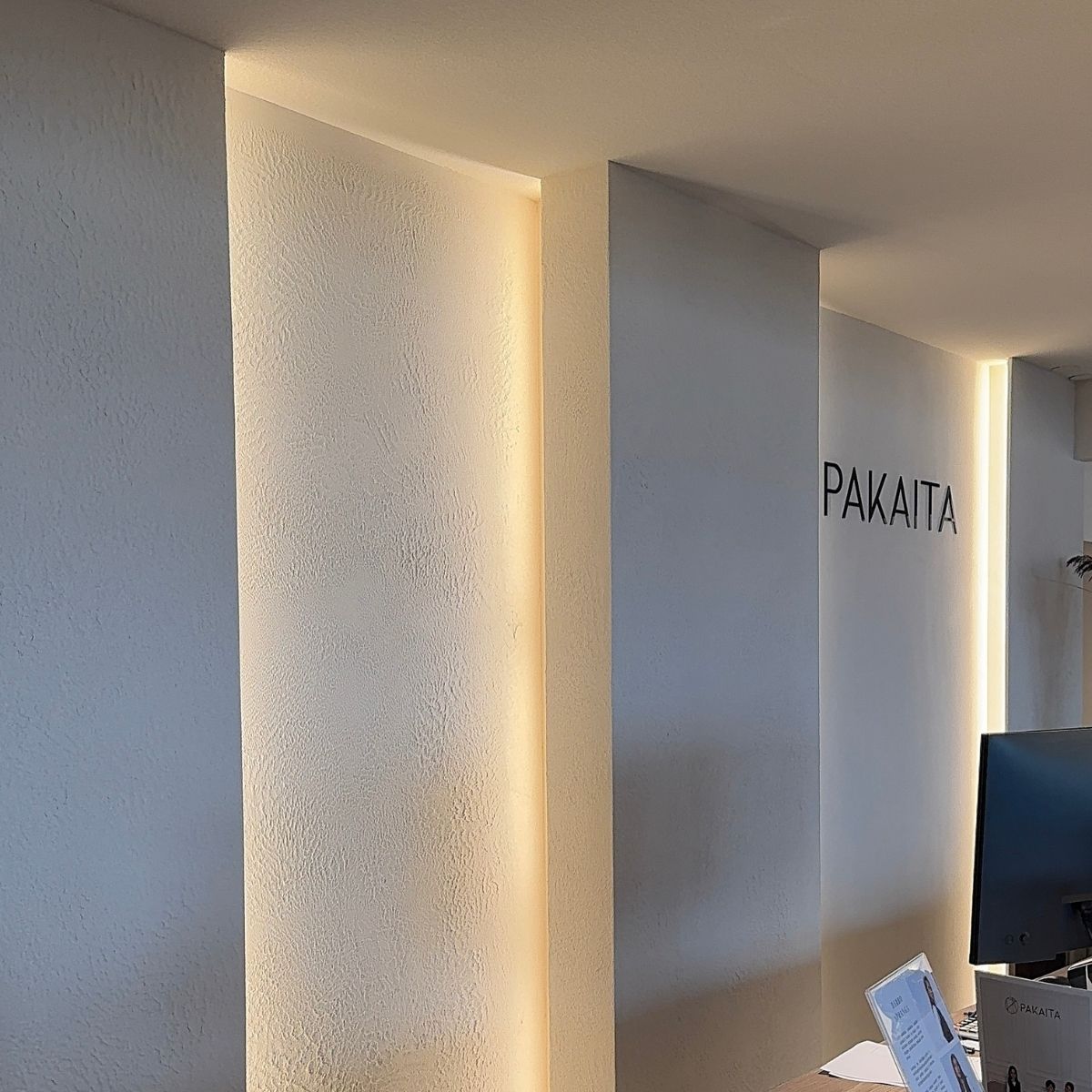
Pakaita store, Kaunas
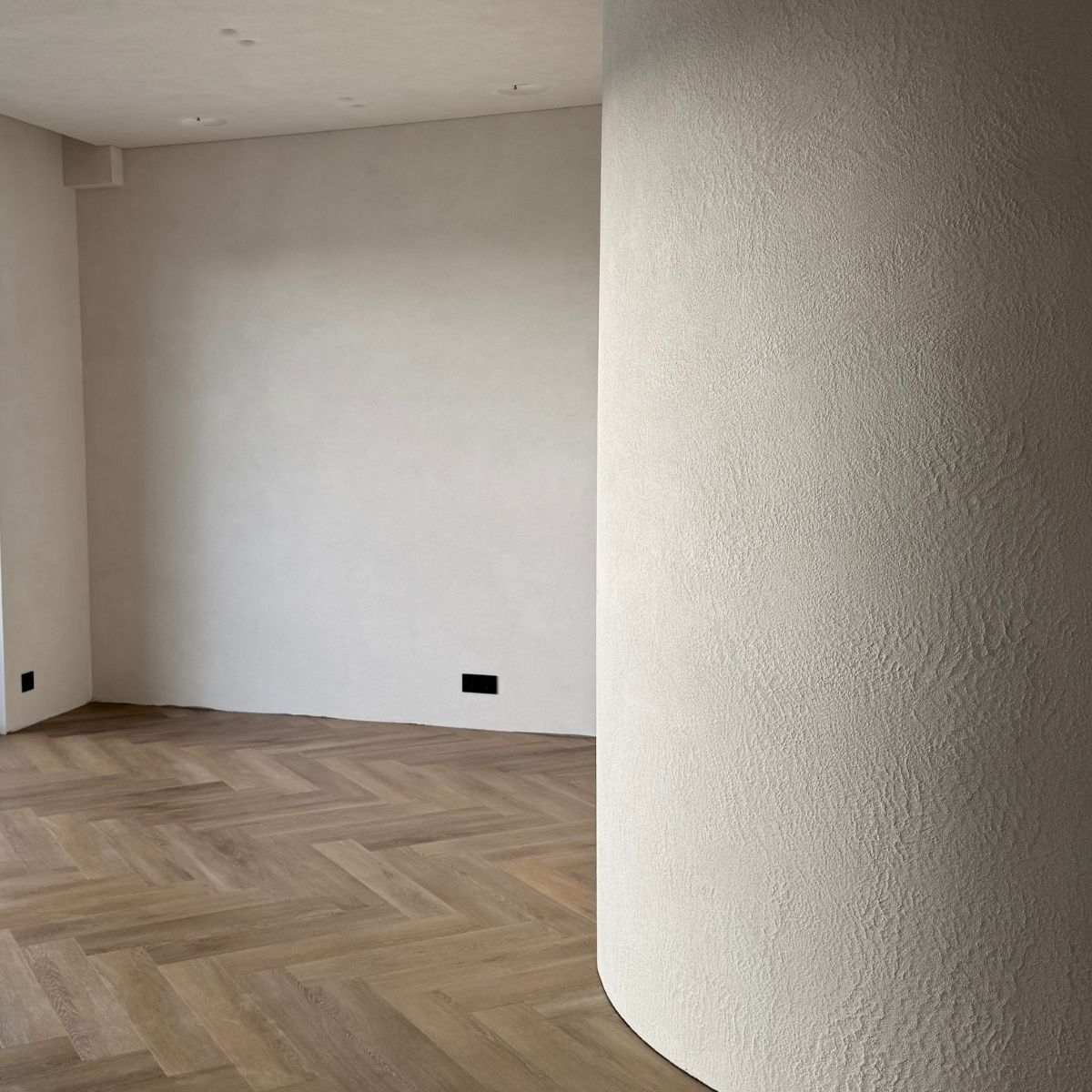
Private apartment, Kaunas
Congratulations to Laura on her beautiful first wall – and for sharing her story we are giving her a €150 voucher towards our next workshop. Would you like a wall like this too? Our wall decorating workshops are held in Kaunas, Lithuania, and are open to guests from abroad. REGISTER HERE
Want to share your own wall story and get a workshop as a gift? READ THE RULES HERE
Related Posts
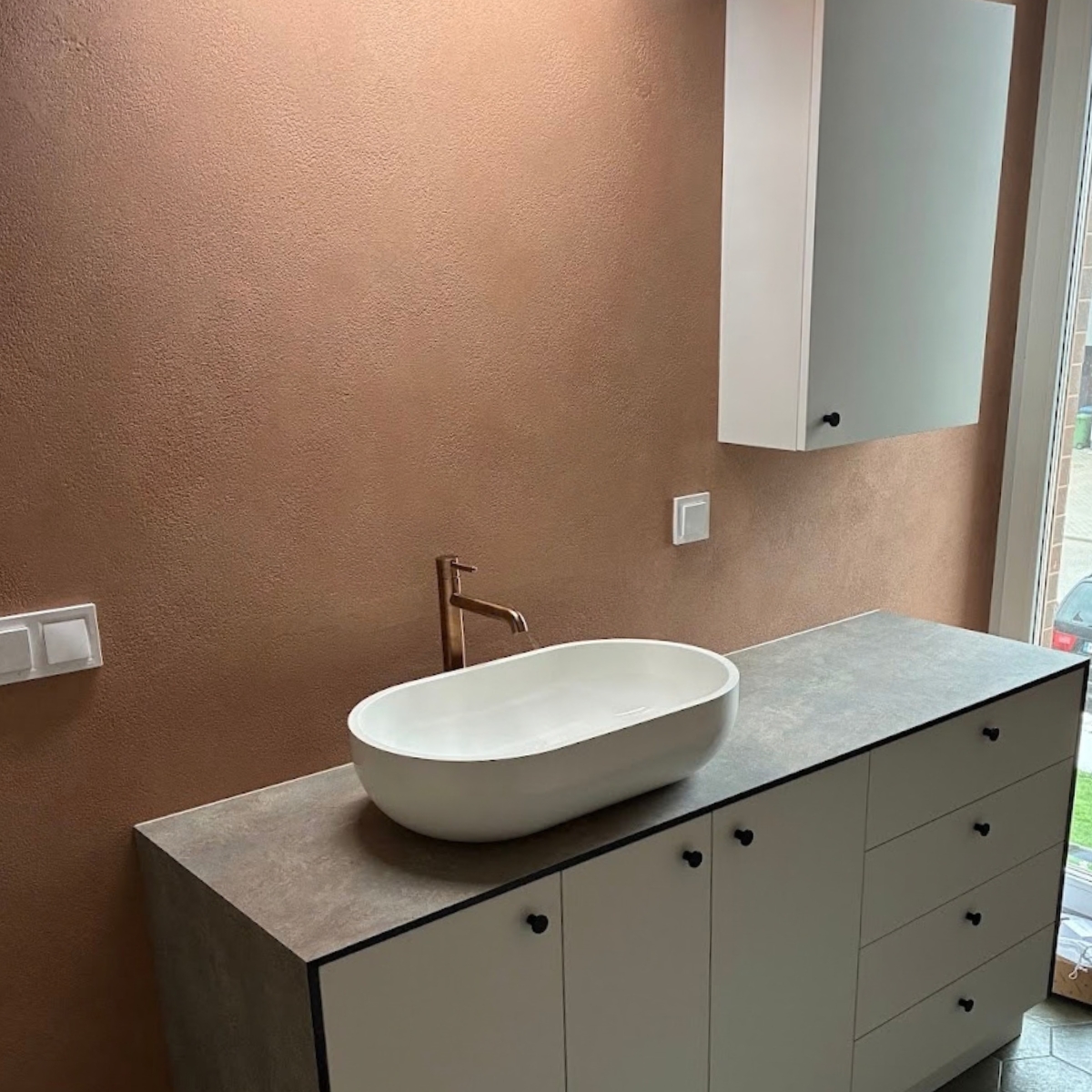
This time we're sharing Kristina's story – once her kids grew up, her home started asking for a refresh. With no prior finishing experience, Kristina first attended MR. CLAY training, then replastered three rooms and the bathroom with MR. CLAY clay plaster, and is now working on the living room too.
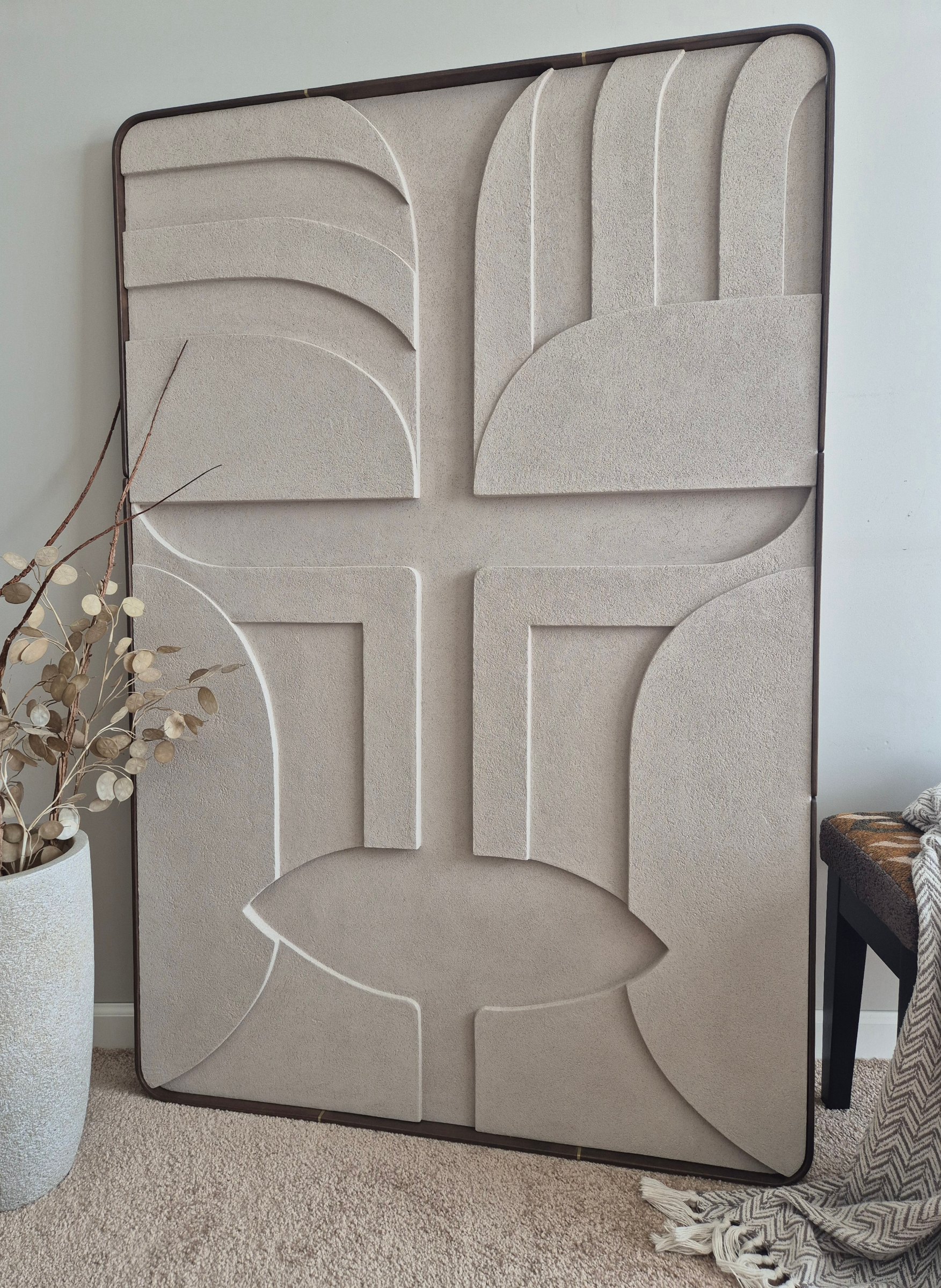
This time we're sharing the story of Ada, a sustainable creativity and ideas enthusiast — she creates durable textured relief paintings, coating her silhouettes with MR. CLAY's clay plaster.
This time we're sharing the story of a client who is building a home for his daughter. He decided to decorate around 100 m² of walls in the living room, home office and entrance hall with MR. CLAY's ClayBeton decorative plaster.

Your wall could inspire someone else to take the leap. Tell us how decorating with MR. CLAY products went and get a €150 workshop voucher.

Evaldas used clay plaster on the anteroom, ceilings, doors and furniture fronts of his sauna house - but not on the steam room or the shower area. How it holds up after a year, and where the limit shows.
Sandra and her husband had no experience at all, yet they plastered their staircase wall with the ClayBeton mix themselves. How it went, what was hardest, and how the result looks.
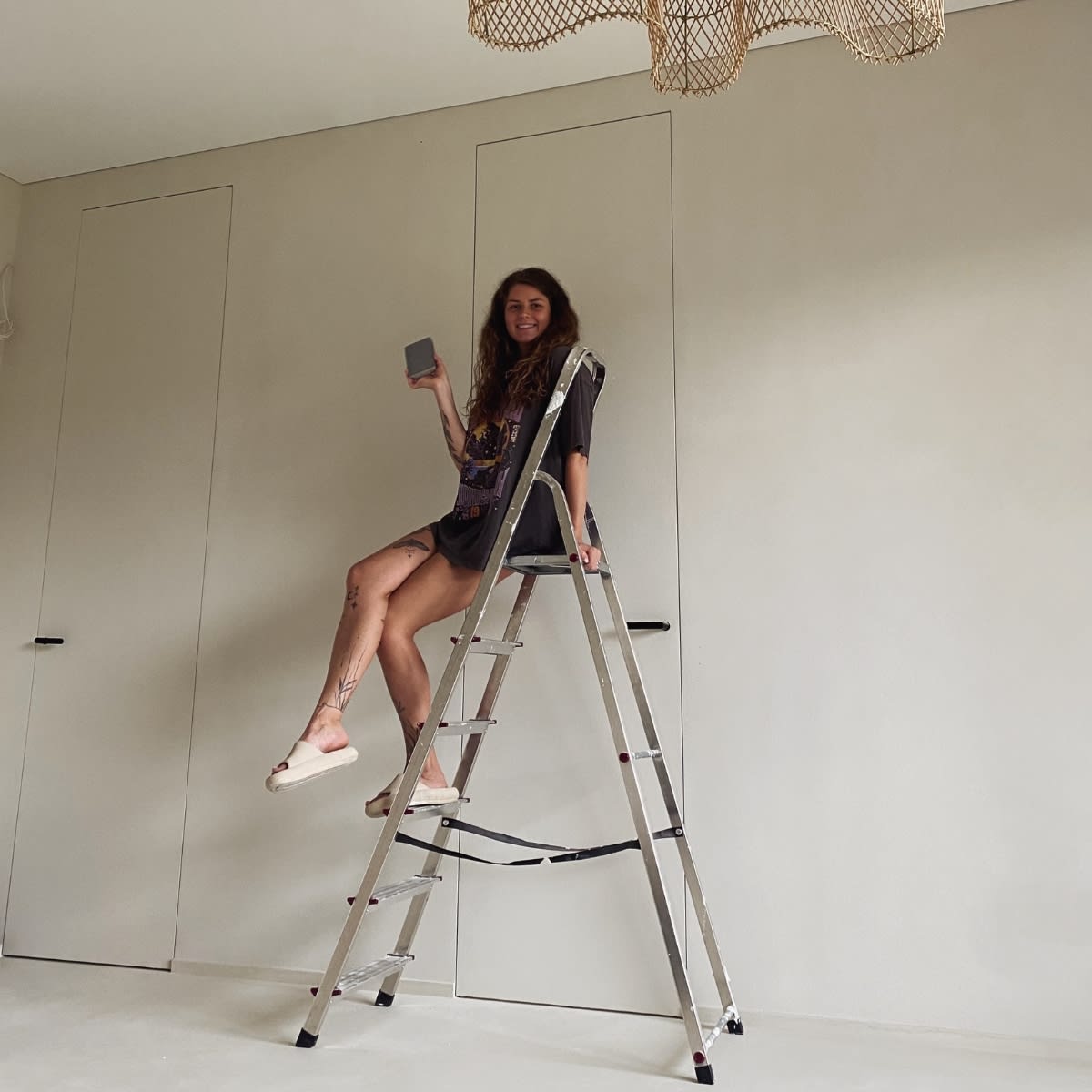
Help others discover the joy of natural wall finishes – share your experience working with clay plaster, and we’ll gift you a €150 voucher for any of our wall decoration training modules. You can use it yourself or give it to a friend!
Related Products