Bucket Size and Shape – It Really Matters
02 July 2025
A Surprisingly Important Topic: Choosing the Right Bucket for Mixing Clay Plaster
It might seem like a minor detail, but choosing the right mixing container is actually the first step toward achieving a high-quality clay plaster finish.
✅ Bucket Size Matters
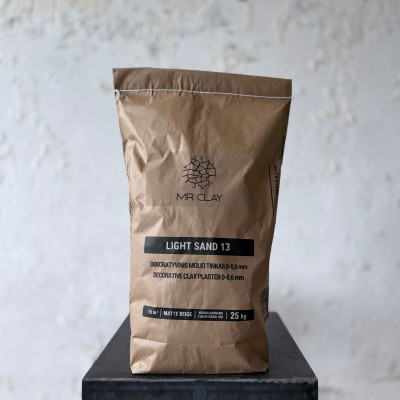
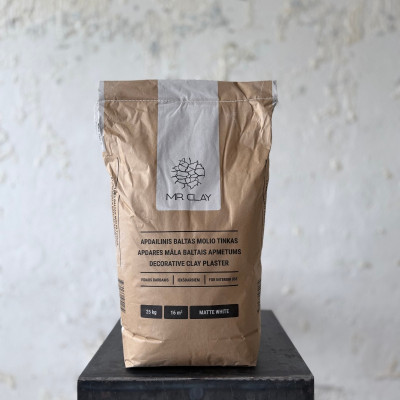
To mix one 25 kg bag of decorative clay plaster, you’ll need a 35-liter bucket. Anything smaller, and the full mix simply won’t fit.
If you're applying clay plaster without pigment, no big deal—you can mix the leftover amount separately or later.
But if you're working with pigment, the entire mix must be done at once in a single container. Otherwise, the color won't match your selected shade consistently.
? Shape Also Matters (More Than You Think)
You might wonder: "Does the bucket shape really matter?"
Yes—it does. A lot.
Experienced plasterers can make almost any bucket work, but for best results, tall and narrower containers mix much better than wide, shallow ones.
If your bucket is wide—like a paint tray or tub—you may need to mix and soak the blend longer. Poorly mixed plaster can result in clumps of dry material or pigment, which will ruin your finish.
This isn’t just theory—it’s what we’ve learned from hands-on experience. So, trust us on this one ?
⚡ Use a Real Mixer
Just a gentle reminder: when mixing clay plaster, use a proper electric mixer with decent power.
Random household tools or DIY hacks won’t give you good results.
? Cover It Up!
Since mixed clay plaster can stay usable for weeks, it’s very important to cover it well to keep the water from evaporating and the surface from drying out.
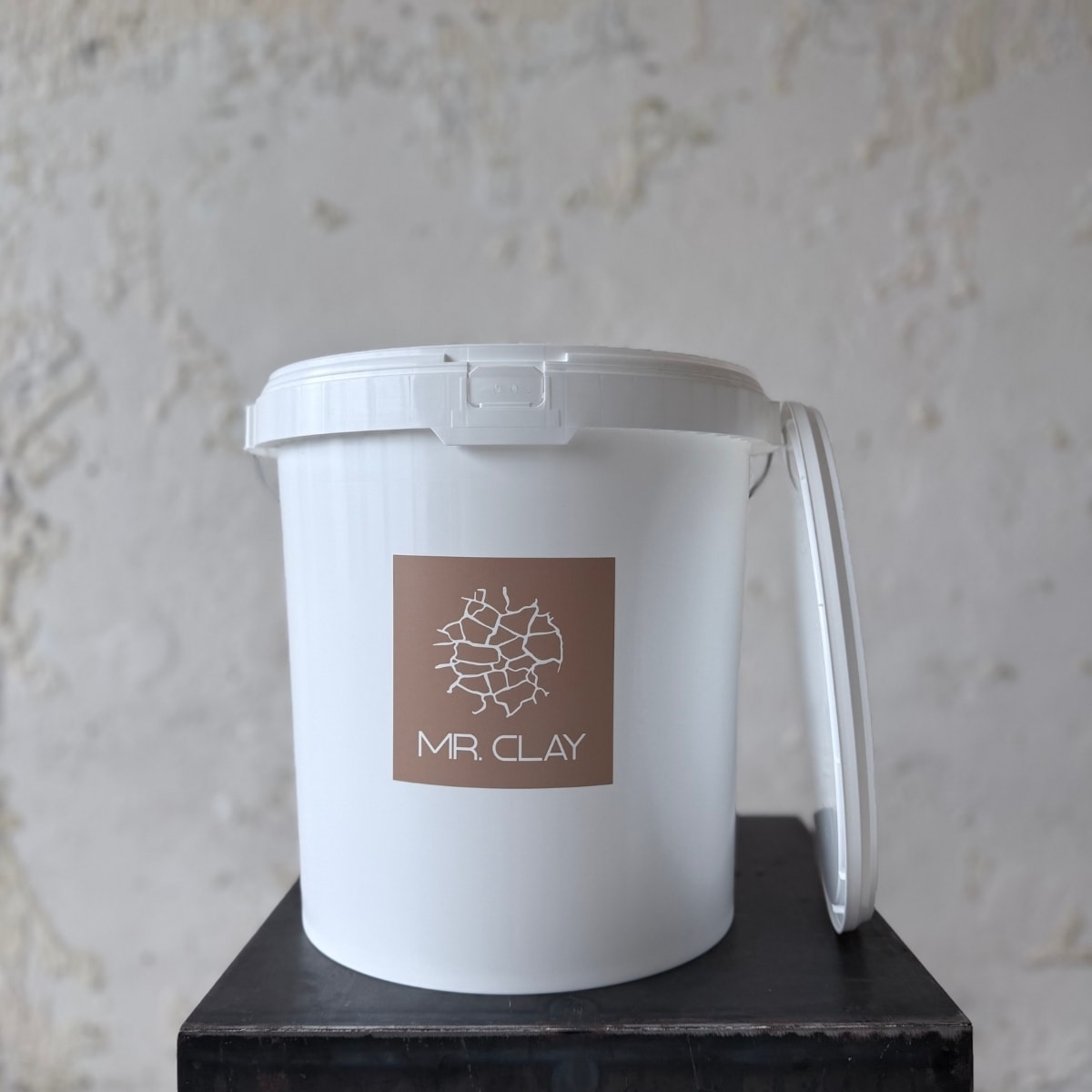
Ideally, choose a bucket with a lid.
If yours doesn’t have one, you can wrap the top in plastic wrap or cover it with a bag—just make sure it’s sealed well.
? Strange Discoveries…
We’ve had cases where clients called us, concerned that there were “threads or fibers” in the clay plaster.
We took it seriously—rechecked raw materials, sifted the mix, examined packaging—everything. Still nothing.
Finally, we called a fellow plasterer. He laughed and asked, “What color are the ‘threads’? And what color is their bucket?”
Turns out, if you use an old or low-quality plastic bucket with sharp mixing blades, the mixer can actually shave off bits of plastic into the mix.
Mystery solved.
? Final Tip: Add a Bucket to Your Shopping Cart!
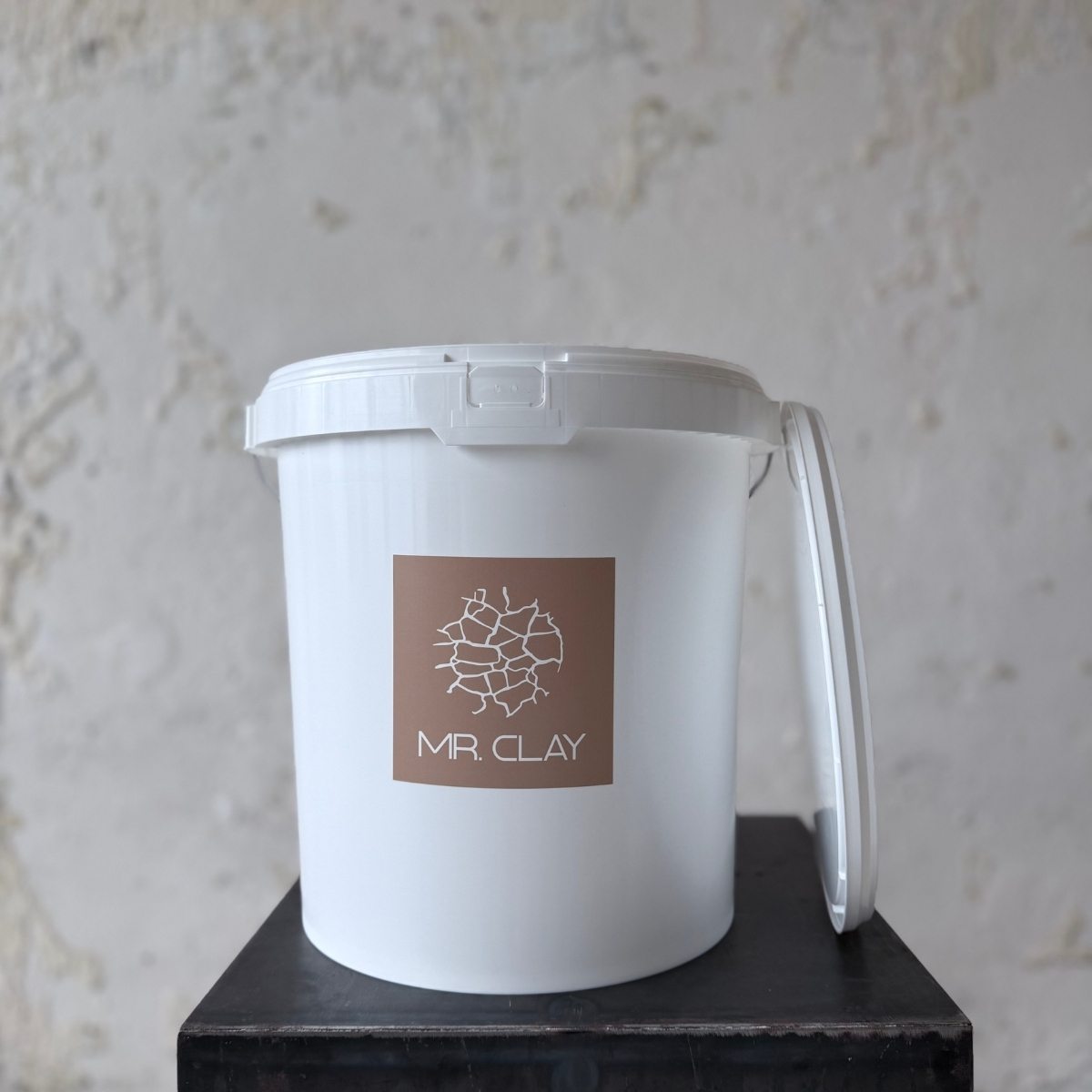
When ordering your clay plaster, we highly recommend adding the right bucket with a lid to your cart.
[Buy it here]
? Bonus Story (Not About Buckets)
Back when we were still learning the ropes, some worried clients sent us photos of their freshly plastered walls with the message:
“There are bugs in your clay plaster. And they’re alive.”
We were puzzled—how could insects survive the mixing process?
We checked everything. Still nothing. Then we called our friend Mantas, the “bug guy.”
His first question: “Where are they plastering?”
We replied: “In the center of Vilnius.”
He laughed:
“Well, wouldn’t YOU want a drink on a hot July day in downtown Vilnius?”
That’s right—in warm weather, little flies or beetles sometimes land on the moist plaster to sip water. Once it dries, they move on.
It’s also a small but beautiful reminder:
Clay plaster is natural and harmless—even to bugs.
Good luck with your walls! ?✨
All articles on this blog are the intellectual property of Mr. Clay. If you’d like to use any part of the content, please contact us.
Related Posts
02 November 2025
Wall preparation before working with ClayBeton decorative clay–cement plaster differs from preparation for clay plaster. Please read the information carefully.
25 August 2026
Clay mixtures can be applied to a wide variety of surfaces – whether it’s standard walls, furniture panels, or even a glass vase. The key is proper preparation, so please read our recommendations carefully.

25 August 2026
To ensure a smooth and high-quality wall finishing process, it is essential to first organize and prepare the workspace.
Related Products