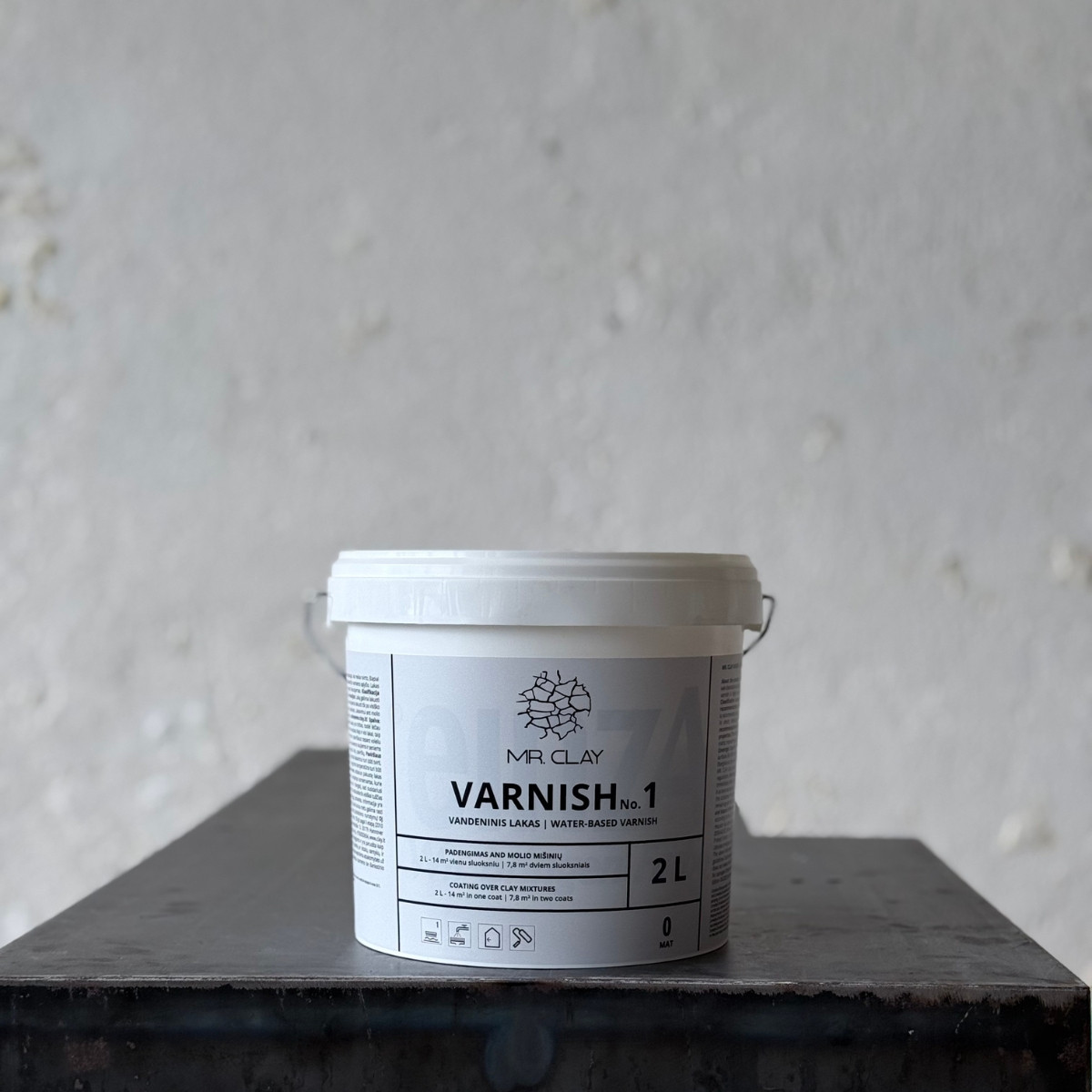
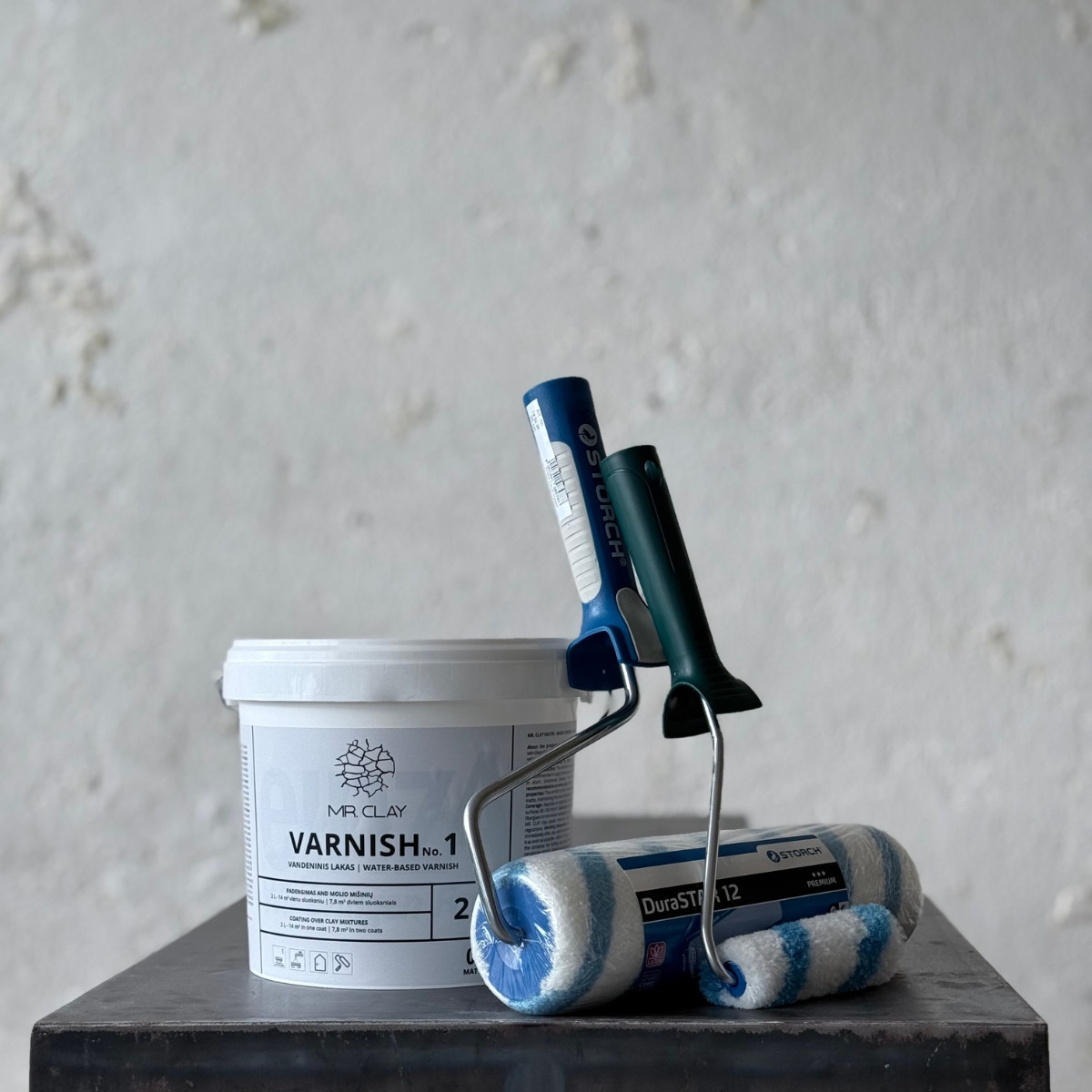
MR. CLAY VARNISH No. 1
A matt and resistant high-performance water-based varnish, ideal for clay plaster finishes where a hard-wearing, wet-cleanable surface is required. Suitable for use only on dry room walls or in areas where there will be no prolonged exposure to running water.
APPLICATION ON CLAY MIXTURES
2 l – 14 m² in one coat | 7.8 m² in two coats
In the cold season, products such as primer or varnish are not shipped to parcel lockers because they may freeze.
Loyalty programme: the value of this product counts towards „LOYAL 10“. Accumulate 2 000 € and receive a 200 € discount coupon. Register →
A matt and resistant high-performance water-based varnish, ideal for clay plaster finishes where a hard-wearing, wet-cleanable surface is required. Suitable for use only on dry room walls or in areas where there will be no prolonged exposure to running water.
APPLICATION ON CLAY MIXTURES
2 l – 14 m² in one coat | 7.8 m² in two coats
In the cold season, products such as primer or varnish are not shipped to parcel lockers because they may freeze.

Safe purchase
.svg)
Home delivery

Refund
Clay plaster mixes are designed to be completely natural and vapour-permeable. But this does not mean they cannot be used simply as a decorative plaster – to create beautifully designed walls and protect them with a durable varnish, just like any other plaster.
Not at all, and we are always glad when people consciously choose a completely natural wall finish for their home. Clay plaster is a natural mix without hazardous chemicals and is fully vapour-permeable, so it is cleaned a little differently from materials that form a film on the wall.
Although the mix is natural, it does not mean such a finish will wear out quickly – everything depends on your lifestyle, attitude and ability to clean or re-plaster the walls properly. We can honestly say that these walls are a joy: you want to stroke them, and they make a home feel very cosy.
Read about caring for and repairing natural clay plaster walls here.
Walls must be varnished in commercial and public spaces, where people will not realise that it is a natural wall finish and will not take care of it. Also, always varnish decorated objects and furniture.
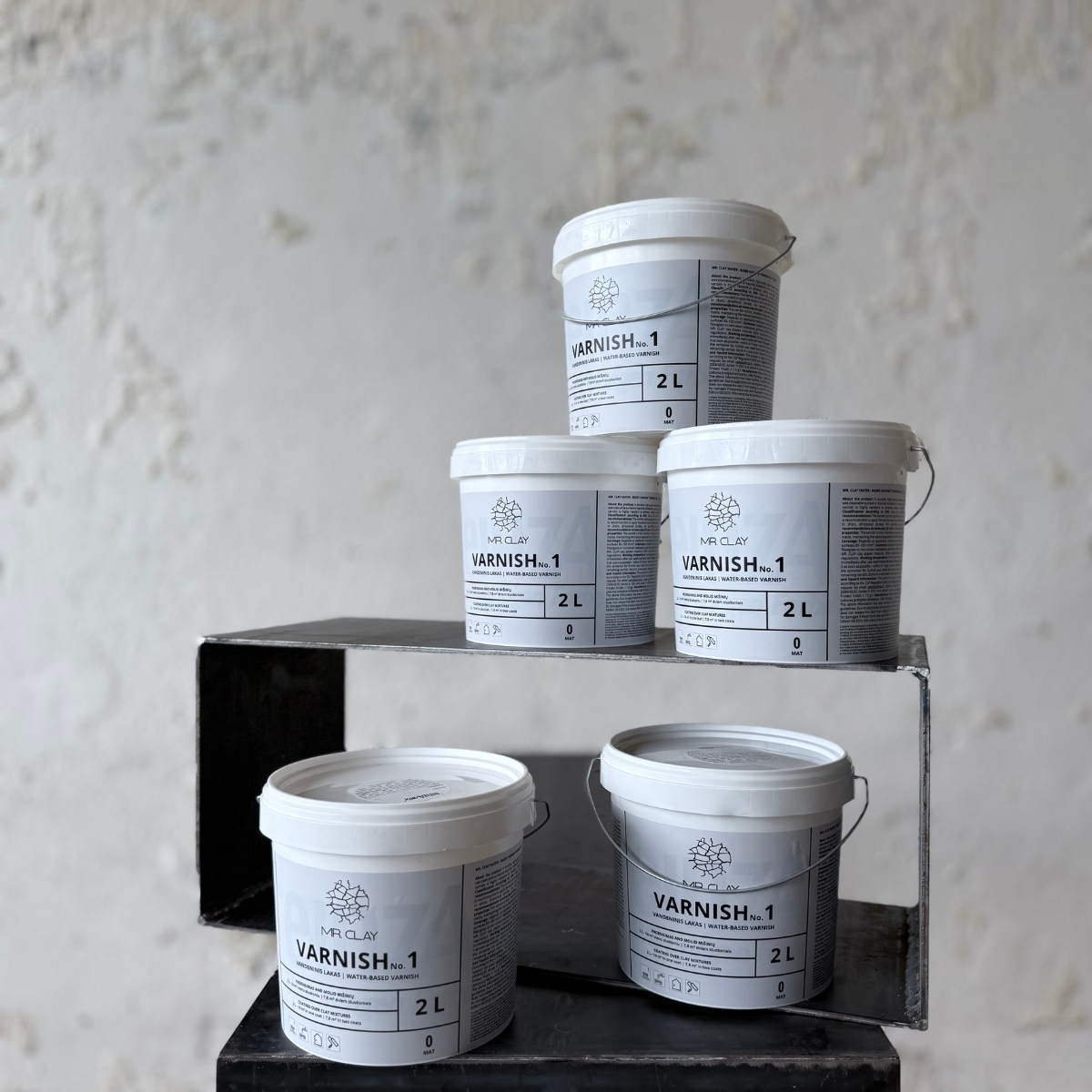
The varnish can be applied directly onto MR. CLAY clay mixes. Higher resistance is achieved by applying 2 coats. We recommend applying the second coat only after the first coat has dried completely, after about 12 hours. The varnish must be stirred well before use. Apply in short, directional strokes. For varnishing clay mixes, we recommend the Storch DuraStar 12 roller.
Varnishing for the first time? We recommend varnishing one or two walls first, assessing the result once dry, and only then continuing.
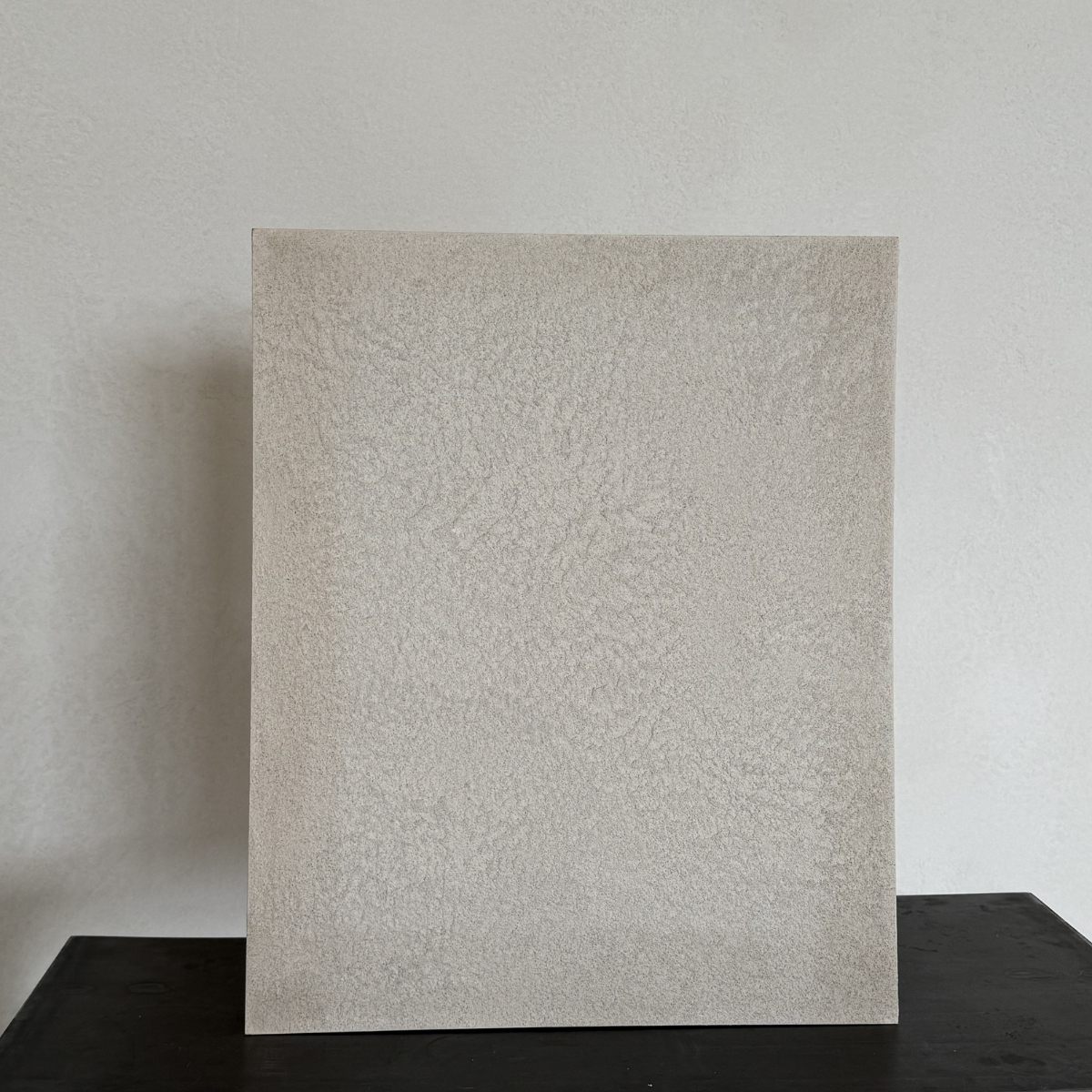 Do not cut in corners firstWe strongly advise against cutting in the outer or inner corners around the whole perimeter before varnishing. There is a high risk of dark patches or visible transitions where freshly applied varnish overlaps varnish that has already soaked in.
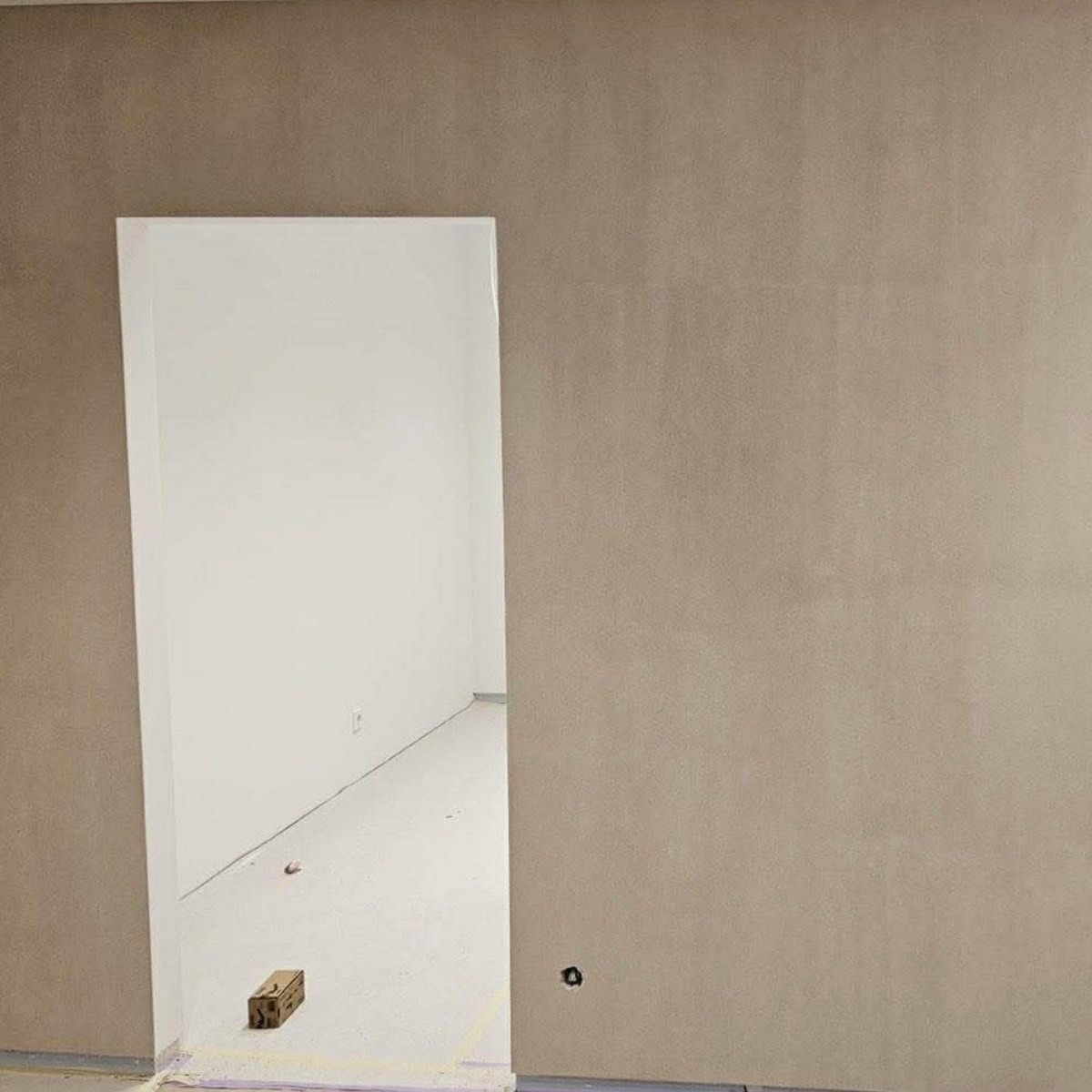 Do not use too little varnishVarnish evenly, extending the area with enough varnish. Start in the top left corner and extend the area diagonally. Do not varnish in straight, random strokes or with too little varnish, as the transitions will definitely show, as in the photo.
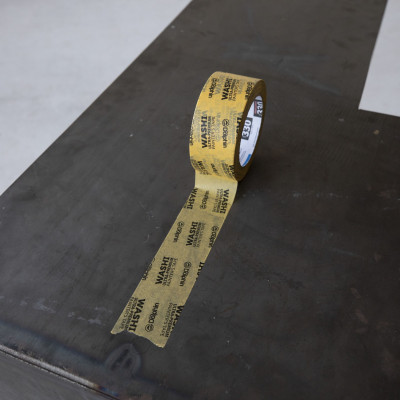
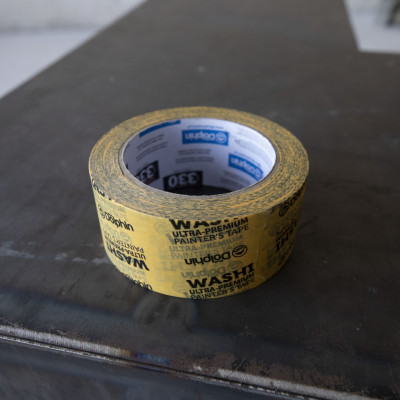
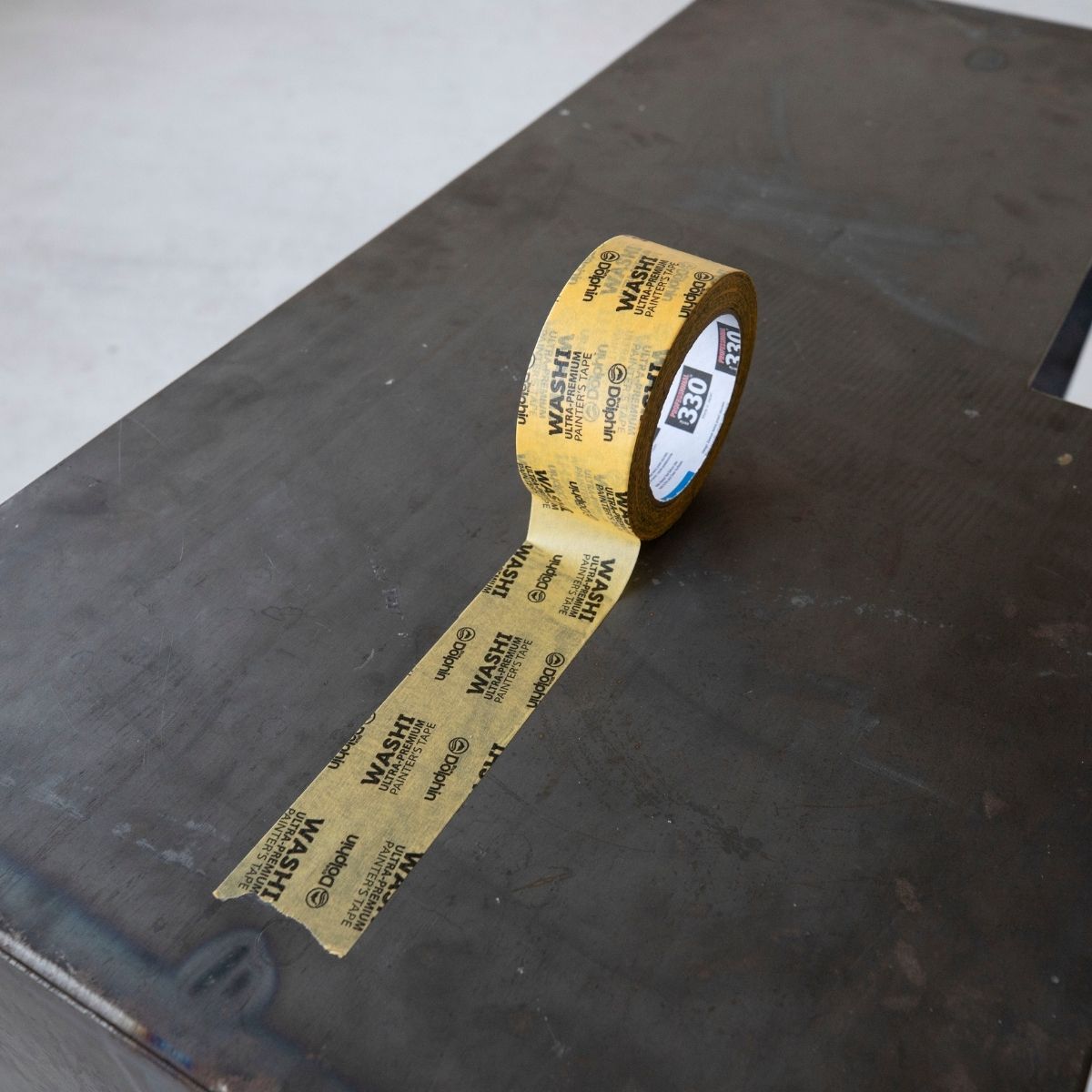 Do not varnish adjoining walls at onceProtect the neighbouring walls in the corners with Washi tape so that the roller does not touch the neighbouring wall – those spots would also be darker. Adjoining walls must not be varnished across a corner at the same time: once the varnished wall is dry, move the tape and varnish the other walls.
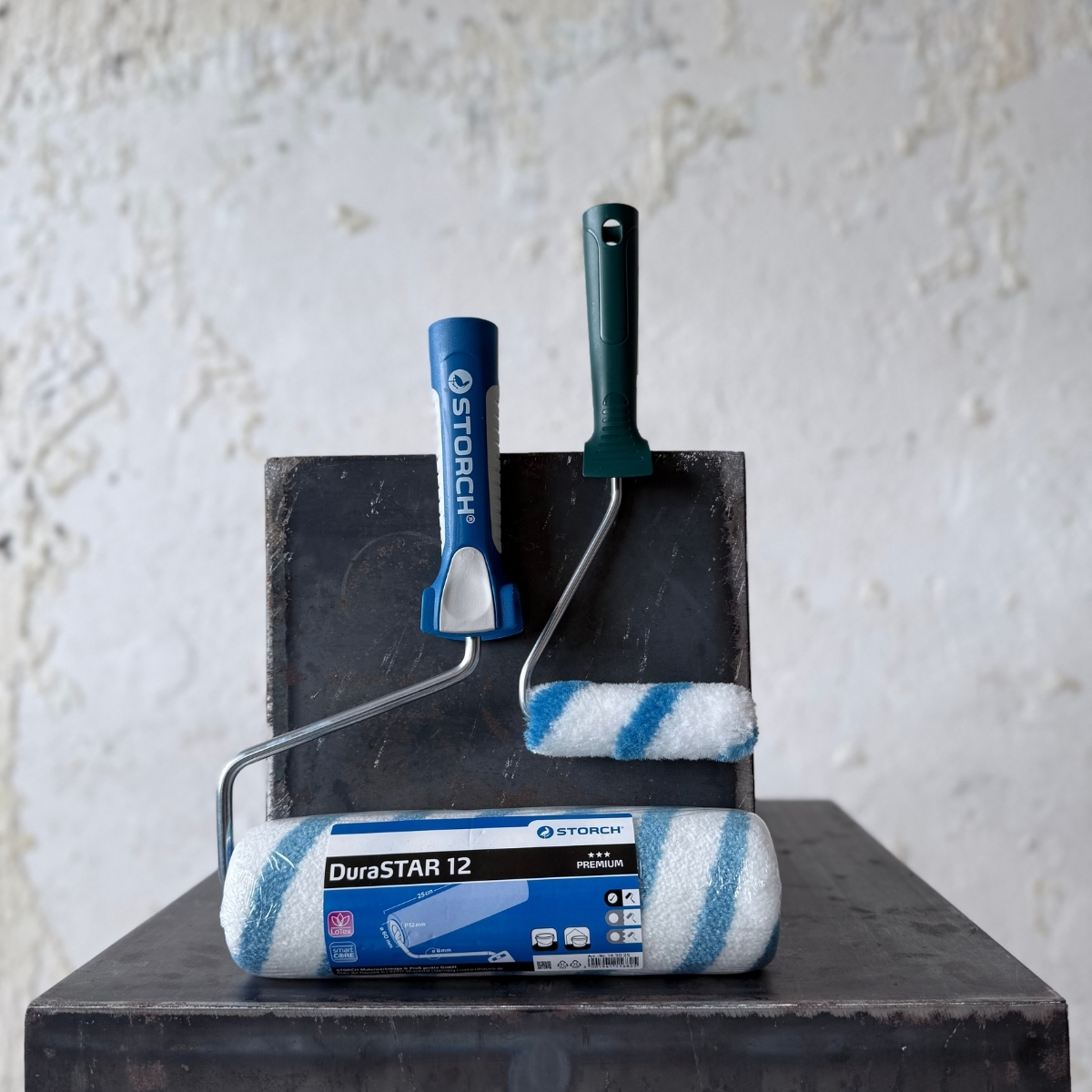 Do not use a brush or spongeDo not use any tools other than a roller to apply the varnish. Some people dab or brush hard-to-reach areas or inner corners – there is a very high chance of dark patches in those spots. Use the same roller in a smaller size instead.
Suitable not only for MR. CLAY clay mixes and ClayBeton decorative plaster, but also for all old or new mineral plasters and concrete surfaces. For more information, please refer to the technical data sheets.
No, because the purpose of the varnish is to fully harden the surface and protect it from liquids or dirt soaking in. Although this varnish is very resistant, it is safe to use and meets all current regulatory requirements.
Clay plaster and this varnish must not be used in a shower, next to a bathtub or anywhere with frequent water contact and high steam concentration. In other parts of a bathroom, where there is no standing water or hot steam, it is technically possible, but we do not recommend it ourselves – the bathroom is not the space we create this product for.
A kitchen backsplash can be varnished, but we give no guarantee that it will hold up – the splash zone is the most intensively used area of a kitchen, so we do not recommend plastering it. If you still choose to do so, also use the polymer additive for decorative plaster durability and apply at least 3 coats before the furniture is installed, and make the varnished area larger than the visible backsplash so the edges are hidden behind the furniture. One advantage remains: the wall can always be refreshed by plastering over it.
Do not use clay plaster or the varnish on floors or exterior walls.
For dry, low-wear walls, 1 coat of varnish is enough. Where there is more friction or a higher risk of dirt or splashes, apply 2 coats. In high-traffic areas, varnish 2 or even 3 times.
| Coats | Where | 2 l covers |
|---|---|---|
| 1 coat | Dry, low-wear walls: bedroom, living room | 14 m² |
| 2 coats | Hallway areas, offices, furniture – more friction or risk of dirt | 7.8 m² |
| 3 coats | Concealed (flush) doors – the polymer additive for decorative plaster durability is also a must | – |
Consumption depends on the texture and absorbency of the plaster.
Important: even varnished walls must not be scrubbed hard with abrasive sponges – gentle cleaning with a damp cloth is recommended.
It depends on the colour. Bright and cool colours become brighter and warmer more than light and warm shades. But the change is sometimes so minimal that it is not worth worrying about. Even if you varnish only some of the walls in your home, the difference will be hard to see, because light falls differently on each wall. The most important thing is to varnish from corner to corner.
If you are sure you will varnish the walls, you can order a colour sample with varnish straight away and see the final result. Below are examples of varnished and unvarnished samples.
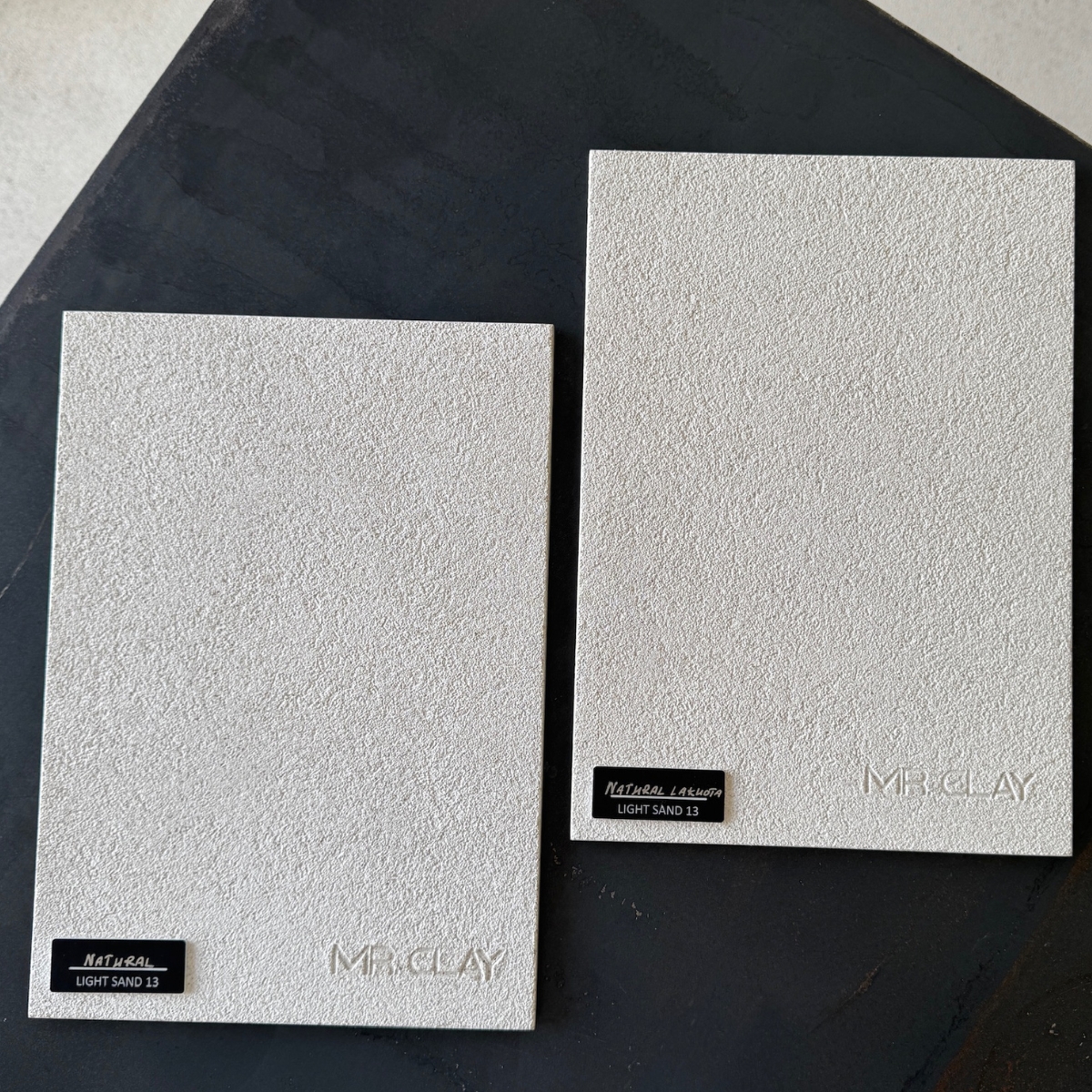

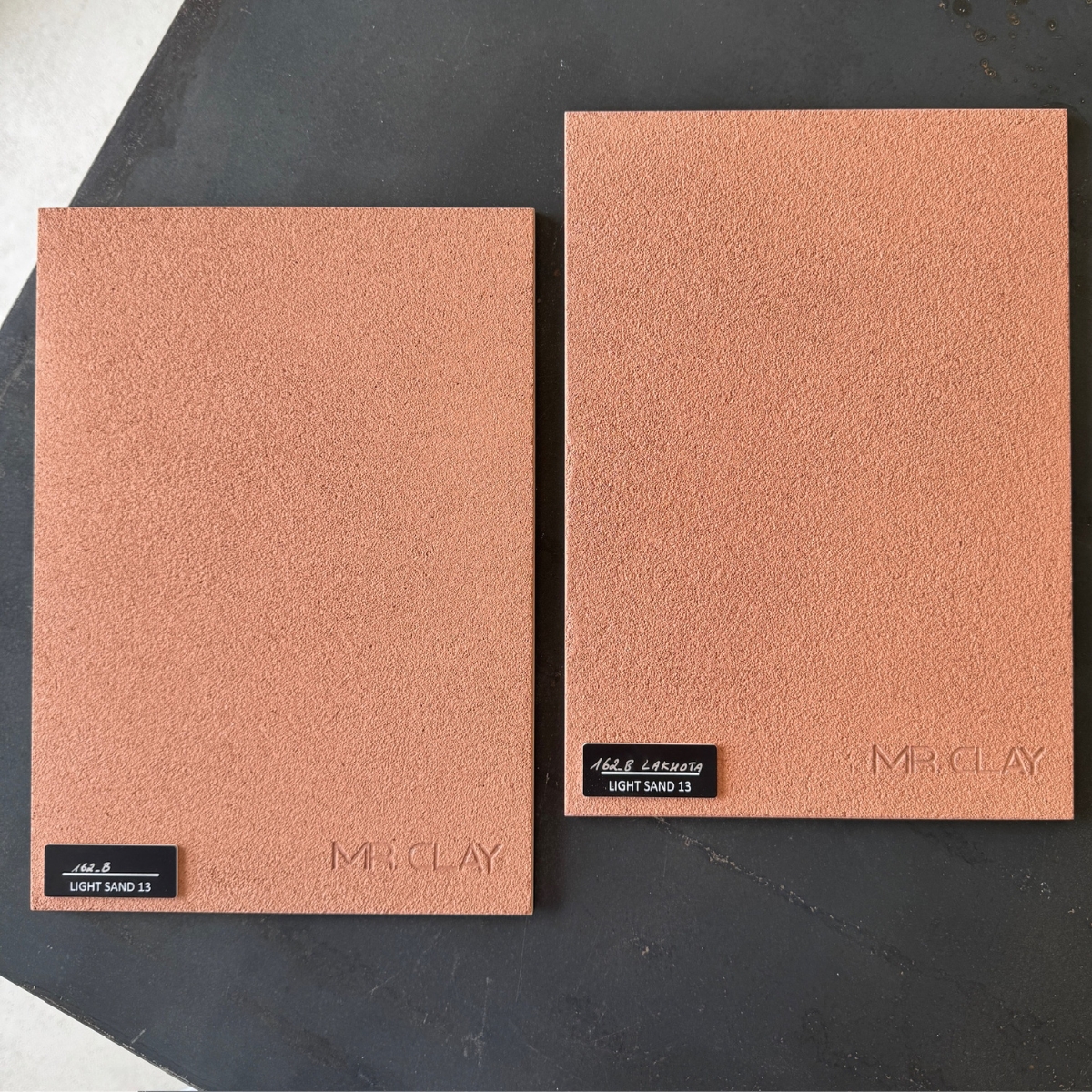
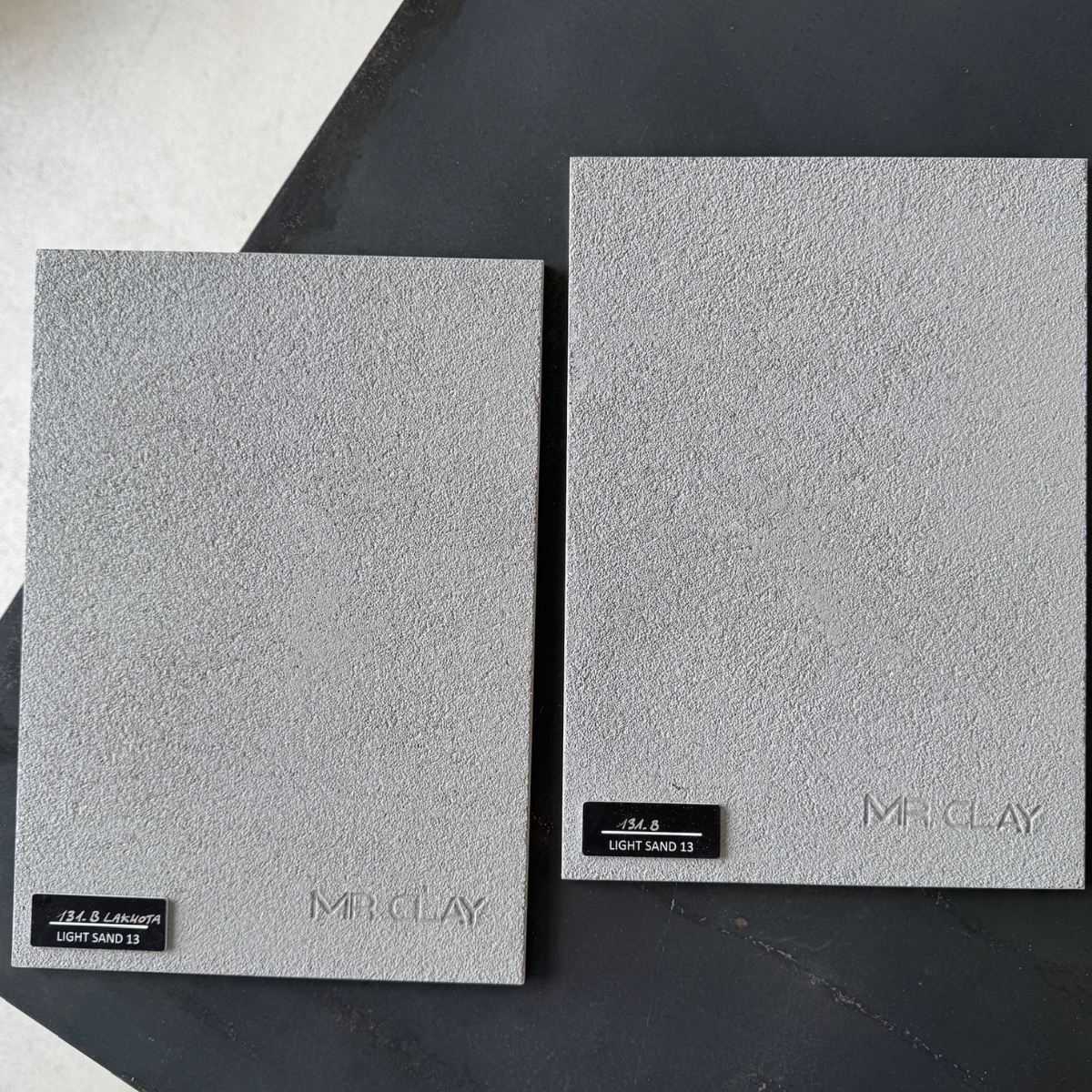
Varnish is applied to a dry surface and protects it from the outside – from dirt, liquids and cleaning. The surface-strengthening additive works differently – it is mixed into the plaster and reinforces the wall from within. Its main purpose is to make the wall resistant to knocks and scratches and to improve its everyday durability. The wall also adheres better to the substrate, dusts less and is less likely to crack. One pack of additive is for one bag of decorative plaster.
If the additive is used and the wall is then varnished, it becomes even more resistant, and varnishing is easier. This combination is ideal when you need a more resistant, harder surface: commercial spaces, decorated furniture and high-use walls. If concealed (flush) doors are being plastered, the additive is a must and the surface should be varnished 3 times.
Our additive is called “Polymer additive for decorative plaster durability”. It is a dry powder polymer additive, mixed in with the water while you prepare the plaster; the wall stays vapour-permeable. The additive has no smell, the mix does not harden in a covered bucket, and it dries more slowly on the wall, leaving more time to work. One pack covers one bag of plaster, roughly 16–17 m² of wall.
In theory, natural varnishes can be found on the market, but in our experience they simply do not work, and the care and cleaning of the walls remain the same as for unvarnished walls. Such products also often change the wall colour considerably and are difficult to apply evenly. So we believe it is not worth spending extra money on wall protection that will not be effective. It is simpler and cheaper to learn how to care for and refresh natural clay plaster walls – and that is entirely possible.
MR. CLAY Varnish No. 1 is a water-based acrylic varnish made by a German manufacturer. We are very happy with this varnish, because we spent many years looking for a product that:
| Binder | 100% acrylic resin |
| Colour | Colourless |
| Gloss | Matt |
| Density | About 1.0–1.1 kg/l |
| Working temperature | Air and substrate at least +5 °C |
| Next coat | After ~12 h, once the previous coat is fully dry |
| Cleaning tools | With water, immediately after use |
| Pack | 2 l |
More information can be found in the technical data sheet and the safety data sheet.
Technical data sheetSafety data sheet
More tips on our blog: Varnishing clay plaster: when it is needed, how to do it and what to avoid.


Clay mixtures can be applied to a wide variety of surfaces – whether it’s standard walls, furniture panels, or even a glass vase. The key is proper preparation, so please read our recommendations carefully.
When working with the ClayBeton mixture, it is essential not only to level but also to properly prime the decorated surfaces. Carefully follow all recommendations to achieve a surface that adheres firmly to the base and results in an even, consistent concrete-effect finish.

Whether clay plaster walls need varnishing, when it is genuinely worth it, how many coats are needed, how the colour changes and which mistakes are the most common.