


White decorative clay plaster 0-0,5 mm
White decorative clay plaster is a mineral-based mixture designed for the final interior wall finishing of residential or commercial spaces. The product is natural and vapor-permeable, and it absorbs liquids, therefore it is suitable for use only in dry areas where there is no direct exposure to water, dirt, or grease. To improve its performance characteristics, it should be additionally coated with Mr. Clay "Varnish No. 1".
COLOURS
The base of the mixture is warm white and can be tinted with dry mineral pigments available in over 100 different MR. CLAY shades.
When you order clay plaster in a chosen color, you will receive a base-colored clay mixture and a separate jar of pigment. Since the color pigments are custom-made according to your order, they cannot be exchanged or returned.
White decorative clay plaster is a mineral-based mixture designed for the final interior wall finishing of residential or commercial spaces. The product is natural and vapor-permeable, and it absorbs liquids, therefore it is suitable for use only in dry areas where there is no direct exposure to water, dirt, or grease. To improve its performance characteristics, it should be additionally coated with Mr. Clay "Varnish No. 1".
COLOURS
The base of the mixture is warm white and can be tinted with dry mineral pigments available in over 100 different MR. CLAY shades.
When you order clay plaster in a chosen color, you will receive a base-colored clay mixture and a separate jar of pigment. Since the color pigments are custom-made according to your order, they cannot be exchanged or returned.

Safe purchase
.svg)
Home delivery

Refund
What is the difference between Light Sand 13 and White Decorative Clay Plaster?
The only difference is their base color: one is light sand–colored, and the other is warm white. When tinted with the same color pigments, the shades are very similar.
The biggest difference is that Light Sand 13 dries more slowly during application and creates slightly more shading, which is why it has become the most popular mixture for finishing large wall and ceiling surfaces.
FEATURES
- Without chemicals that form a film;
- 100% vapor permeable;
- contains no volatile organic compounds;
- antistatic, therefore does not attract dust;
- the average pH value of white clay plaster is about 8,5 – such an environment is unfavorable for mold growth, but not too alkaline to corrode the skin, so it is safe to work with clay mixtures, can be touched by hand;
- clay plaster is non-combustible – fire class A1;
- for decorative clay plaster wall finishing, usually careful wall preparation up to the filling stage is sufficient.
COMPOSITION
A dry mixture of white clay, marble and cellulose. The components of the mixture are not harmful. Mixed with water.
CAN BE APPLIED ON:
Traditional/finishing clay plaster;
Gypsum/cement/lime plaster;
Gypsum plasterboards;
Gypsum fiberboards;
Cement, wood chip and other construction boards intended for plastering or filling;
Previously filled, conventionally painted surfaces;
Stoves, fireplaces plastered with traditional Mr. Clay clay plaster.
MIXTURE PREPARATION
In a container of no less than 35 L, pour 8 - 9 L of water, add the entire pigment if plastering with color and mix well using an electric mixer intended for this. While continuing to mix, slowly pour in the entire package of decorative clay plaster, mix well and, after covering the container, let the mixture soak for at least 30 min. The mixture may appear quite runny, but will thicken later. Before plastering work, mix the clay plaster once again. The color of the wet mixture is more intense than when dry.
USAGE TIME OF PREPARED MIXTURE
Keep the prepared clay mixture covered, in a cool room. It is recommended to use within 1–2 weeks.
APPLICATION OF PLASTER ON WALLS / TOOLS
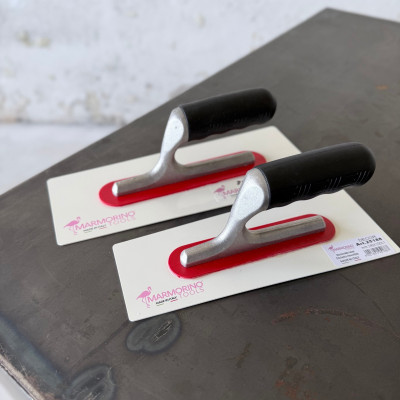
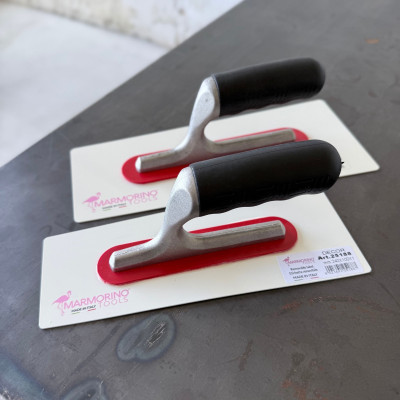
Clay plaster can be applied to the wall with a trowel, a roller for applying filler or mechanically. Plastering is done using stainless steel trowels with a top handle or regular plastering tools. For surface treatment it is recommended to use tools according to the decorating technique – PVC floats, brushes, sponges, etc. The choice of tool can determine the final wall finish result.
PLASTERING THICKNESS
Decorative clay plaster is applied twice. Applied very thinly – the total thickness is 1–2 mm. During work avoid direct sunlight and draughts.
DRYING TIME
Depending on the ambient temperature, humidity and the size of the plastered area, drying may take from 4 to 24 h.




There is really no need to varnish clay plaster walls — it all depends on your lifestyle and your specific needs.
If you want completely natural and vapor-permeable walls, don’t use any varnish. Simply read our recommendations on how to clean and repair natural walls — trust us, they can stay beautiful and clean for many years.
If you need durable, wet-washable walls — for example, in high-traffic areas or commercial spaces — be sure to varnish the surfaces with Mr. Clay Varnish No. 1.
You can find more information about varnishing HERE
They differ in their base colors: one is light sand–colored, and the other is warm white. When tinted with the same pigments, the resulting shades are very similar. The biggest difference is that Light Sand 13 dries more slowly during application and creates slightly more shading, which is why it is currently the most popular mixture for finishing large wall and ceiling areas.
White decorative clay plaster is an excellent choice if you need a white base, softer shading, or if you’ll be doing highly compressed decorative techniques. But in most cases, both mixtures can be used for almost any technique.
Clay plaster “breathes” — it absorbs and releases moisture, which makes it very beneficial for maintaining a healthy indoor microclimate. If the surface is not varnished, it remains slightly more sensitive to mechanical impact, but it does not crumble or smear. An occasional loose marble grain falling off is completely normal for a natural product.
If the surface feels noticeably dusty or smudgy when touched, it means something was not done quite correctly during the finishing process. In that case, you can try a few additional steps: brush off the loose marble grains with a dry brush or clean palm, or thoroughly moisten the wall and compress the entire surface using a stainless-steel trowel to harden it.
Of course, you can always varnish the wall to fully stabilize the clay plaster if vapor-permeability is not essential for your wall finish.
Yes, most people choose to finish all the walls and ceilings in their home with clay plaster. The result is incredibly beautiful and cozy! The walls create soft, warm shading — just enough to add charm, but not so much that it becomes overwhelming. You’ll never get tired of it. On the contrary — as our clients say, you’ll want to come home just because of your walls and won’t be able to look at flat-painted ones anymore! :)
You cannot use clay plaster or this varnish in the shower area, near the bathtub, or in any zone with frequent direct water contact and high steam concentration. These areas are not suitable for clay plaster or its varnish.
In the bathroom in general:
For other walls, ceilings, or areas near freestanding bathtubs or sinks — where there is no long-standing water and no intense hot steam — clay plaster can be used. In bathrooms, we recommend varnishing clay-plastered walls for practicality. If you know you will be careful and protect the surface, varnishing is not strictly necessary.
Ceilings do not need to be varnished.
Because clay mixtures are natural and contain no chemical substances that form a film, clay plaster remains vapor-permeable and “breathable.”
Such walls should not be heavily scrubbed with water, as the cleaned area will definitely remain visible. However, we have discovered some very effective methods for cleaning clay plaster, and considering that it is a fully natural, matte, and very beautiful material, its durability and usability are quite good — in many cases comparable to matte paints.
You can find more information about cleaning and repairing dents HERE.
If you are looking for more durable wall surfaces, clay plaster can be varnished with Varnish No. 1, making the walls wet-wipeable.
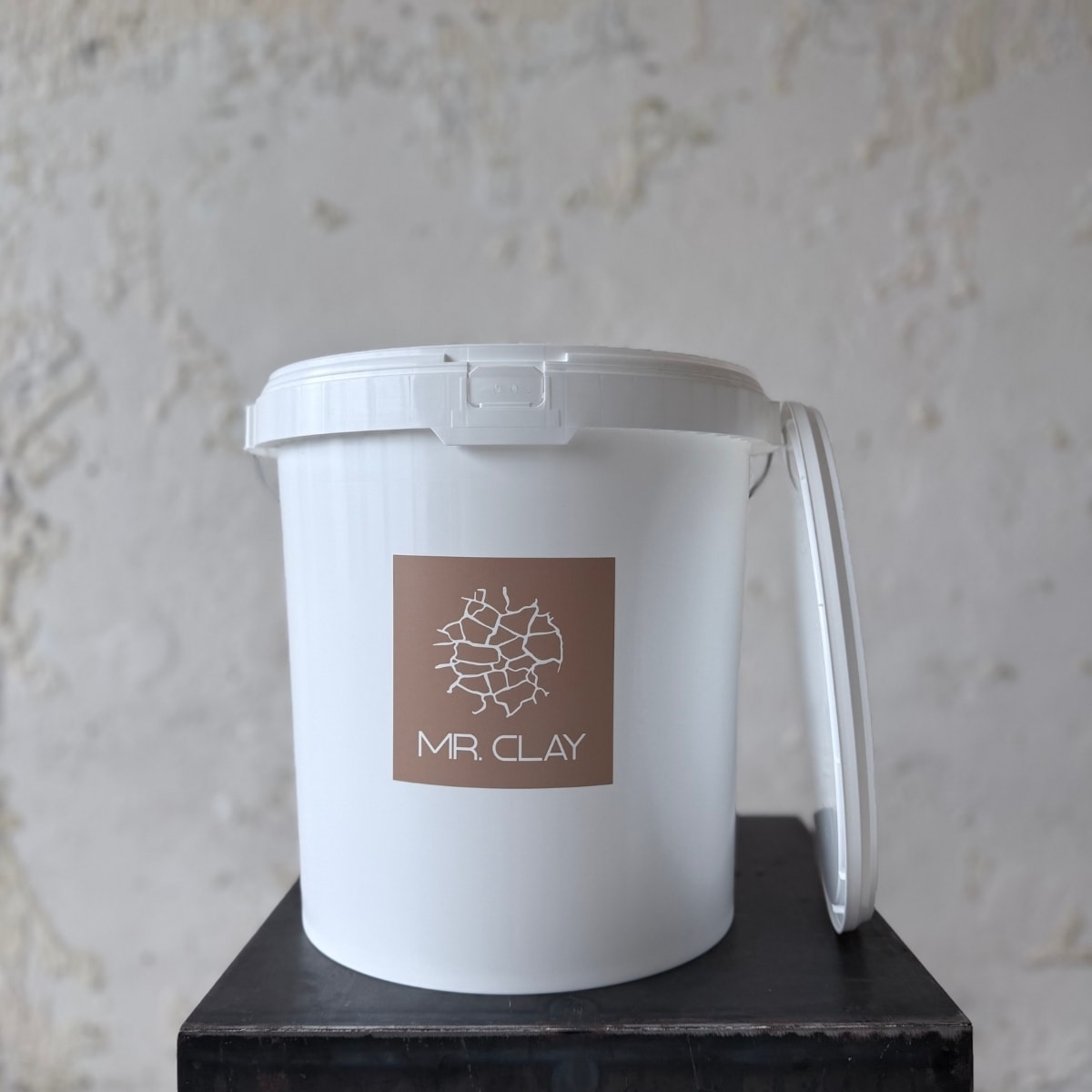
It might seem like a minor detail, but choosing the right mixing container is actually the first step toward achieving a high-quality clay plaster finish.

Clay plaster is designed to be completely natural and vapor-permeable. Please carefully read the information on how to maintain, clean, and repair such walls so that your clay plaster continues to bring you joy for many years. And remember — if needed, clay plaster walls can always be varnished with a durable protective varnish.
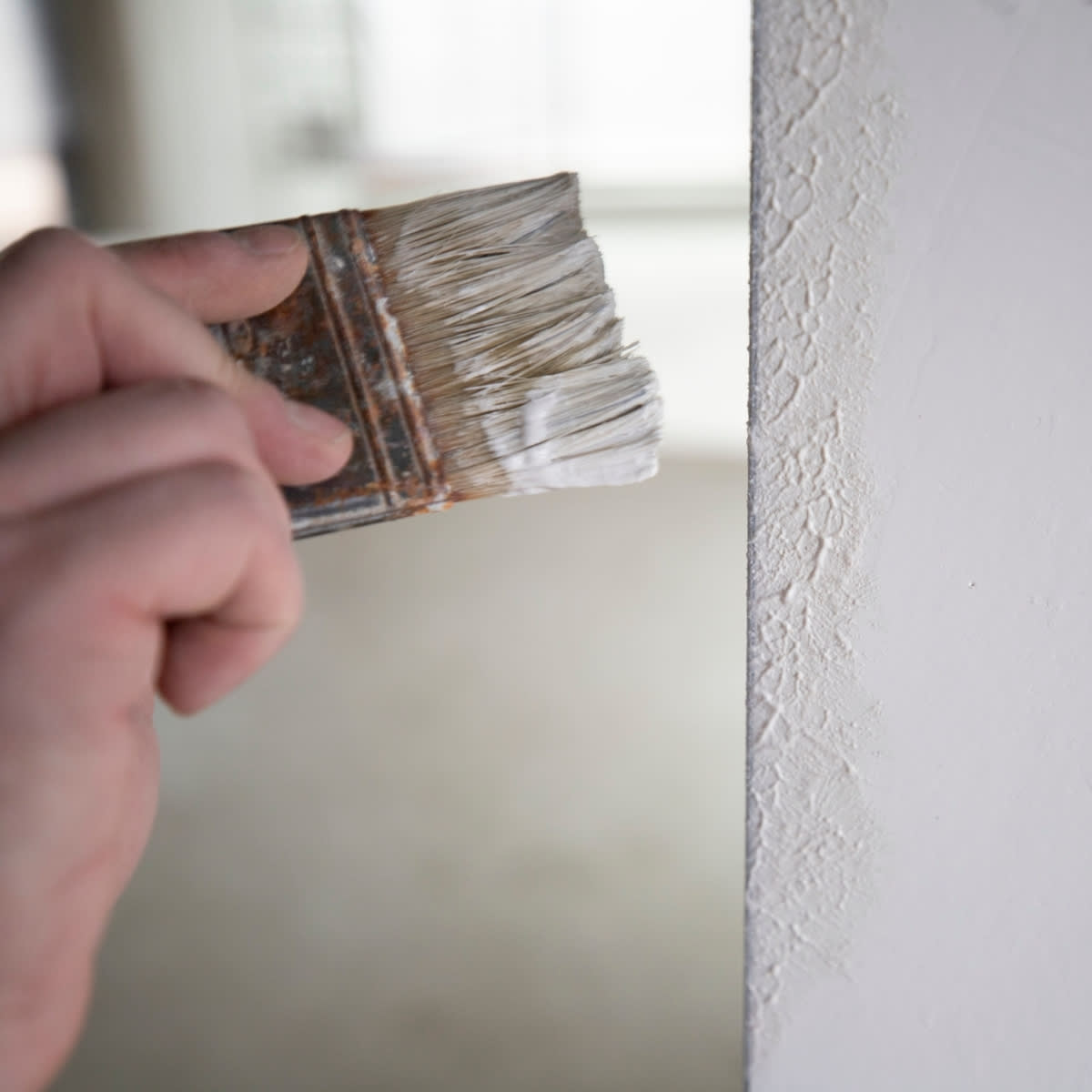
Clay mixtures can be applied to a wide variety of surfaces – whether it’s standard walls, furniture panels, or even a glass vase. The key is proper preparation, so please read our recommendations carefully.