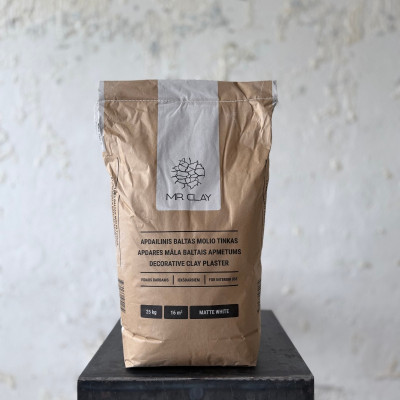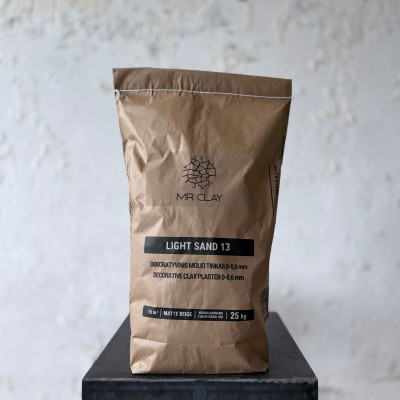


Clay plaster is a natural mixture free of hazardous chemicals and is fully vapor-permeable, so cleaning it is slightly different compared to materials that form a film on the wall. Even though the mixture is natural, it does not mean that this type of wall finish will wear out quickly — everything depends on your lifestyle, attitude, and ability to properly clean or re-plaster the walls when needed.
We can honestly say that such walls bring real joy — you want to touch them, and they create a wonderfully cozy atmosphere at home. And remember, if needed, clay plaster walls can always be varnished with a durable protective varnish.
Cleaning stains caused by wet spills
If the clay plaster surface gets splashed with dirty liquids such as coffee, tea, tomato juice, water-based paint, etc., do nothing at first and allow the stains to dry completely.
If the stains are still clearly visible once dry, try cleaning them using ACE fabric bleach.
Apply the undiluted product to a clean cotton pad and gently dab the stain. Allow it to dry and observe whether the situation improves. If necessary, repeat the process once the previously cleaned area has fully dried.
It is important not to rub and not to soak the same spot for too long at one time.
Because clay plaster and its pigments are of inorganic origin, they do not react with ACE bleach and the color does not fade. The same cleaning method is recommended for walls marked with felt-tip pens.
Nevertheless, before cleaning, we recommend testing this method in a less visible area first to make sure everything is fine. When using this method, be sure to protect your hands and clothing.

Cleaning dry stains
Dry stains, such as shoe marks or marks left by objects leaning against the wall, should be cleaned with a dry, clean brush. Standard paint brushes work well.
If stains remain
If the stain is still visible after trying both dry and wet cleaning methods, we recommend one more option: lightly rubbing the wall with a sponge using clay plaster of the same color.
Describing the entire process in text is quite difficult, so please watch our video with detailed cleaning recommendations.
Practical tips for you:
- Choose lighter clay plaster colors, as they are much easier to maintain.
- Do not squash insects on the walls — they will stay there ?
- Protect the walls from absorbing dirty or colored liquids, as they will soak in and may not always be fully removable.
- During summer storms, keep windows closed, as strong sideways rain can wash clay plaster off window reveals. Of course, it can always be replastered if needed.
- Clean windows — and especially window frames — before plastering. In the future, clean them carefully, bringing the cloth gently up to the plastered surface.
- Always install skirting boards — this will help protect the lower part of the walls from wear during floor cleaning.
- We know it looks beautiful, but it’s better not to plaster doors with clay plaster, especially if you have pets that like to scratch closed doors when trying to get in. If you do, be sure to varnish them with a durable protective varnish.
Repairing dents and damage
Clay plaster walls are naturally not very hard — the mixture contains no chemical hardeners, so the surface can be damaged by sharp objects.
It is probably impossible to repair damage so that the repaired area is completely invisible, but it can be softened and blended in — often enough that an untrained eye won’t notice. The final result depends greatly on the care and creativity of the person doing the repair.
If the wall area is small, sometimes it is simpler to replaster the entire surface with a single layer.
Refreshing clay plaster
A surface that has become worn or can no longer be cleaned can be refreshed quite easily by applying one new layer of clay plaster over it. Even while living in the home, working with clay plaster is a pleasure:
- no dust;
- no damage to floors or other surfaces;
- no chemical fumes or odors.
Does clay plaster crumble?
Clay plaster “breathes” — it absorbs and releases moisture, making it highly beneficial for creating a healthier indoor microclimate. If the surface is unvarnished, it remains slightly more sensitive to mechanical impact, but it does not crumble or smear. An occasional fallen marble grain is completely normal for a natural product.
If the surface feels noticeably more powdery or smudgy when touched, it means something was not done quite correctly during the finishing process. In this case, you can try a few additional steps:
remove any loose marble particles with a dry brush or a clean palm, or thoroughly moisten the wall and compress it with a stainless-steel trowel, tightening and compacting the entire surface.
Of course, the surface can always be varnished to fully stabilize the clay plaster if vapor permeability is not an essential requirement for the wall finish.
All articles in this blog are the intellectual property of Mr. Clay. If you would like to use part of the content, please contact us.

Clay plaster is completely natural and vapor-permeable, making it an excellent choice for those seeking the healthiest solutions for their home interiors. At the same time, depending on each client’s needs, all surfaces can be varnished to create a highly durable and beautifully decorative finish.